
Sunpeach
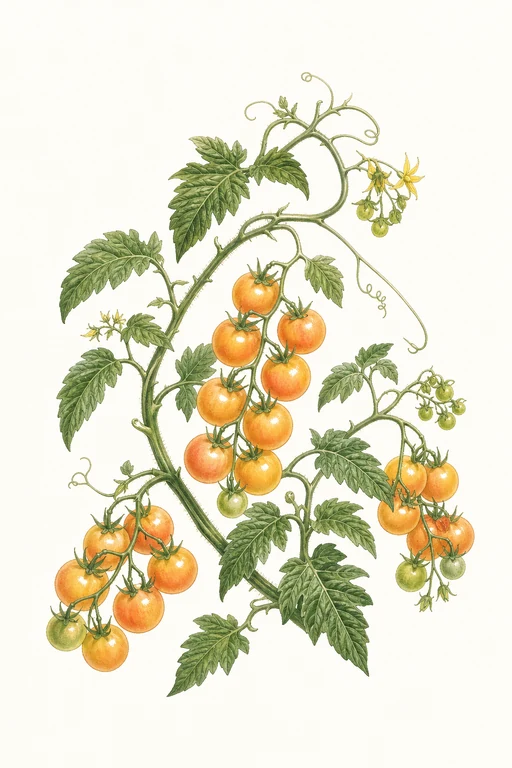
Sunpeach bursts with a sun-warmed, peachy-gold glow that tastes as bright as it looks—sweet first, then gently tangy, with a juicy snap in every bite.
These compact cherry tomatoes ripen in about 60 days, forming clusters that make harvesting effortless and flavor-rich. Ideal for fresh snacking, vibrant salads, and quick sauces where their golden sweetness shines through.
Light: Full SunMaturity: 60 DaysHabit: Indeterminate
Location not set yet
Location not set yet
Enter your ZIP for local crop dates
Sunpeach Planting Dates by USDA Zone
Estimated US hardiness-zone windows for sow, transplant, and harvest. Enter a US ZIP above for exact local dates, or open a zone below.
| Zone | Start Indoors | Sow / Transplant | Harvest |
|---|---|---|---|
| Zone 1a | Protected Environment Only | ||
| Zone 1b | Apr 13th | Jul 27th | Sep 25th – Aug 1st |
| Zone 2a | Apr 6th | Jul 20th | Sep 18th – Aug 29th |
| Zone 2b | Mar 27th | Jul 10th | Sep 8th – Aug 25th |
| Zone 3a | Mar 27th | Jul 10th | Sep 8th – Sep 1st |
| Zone 3b | Mar 31st | Jul 14th | Sep 12th – Sep 21st |
| Zone 4a | Mar 27th | Jul 10th | Sep 8th – Sep 24th |
| Zone 4b | Mar 25th | Jul 8th | Sep 6th – Sep 27th |
| Zone 5a | Mar 20th | Jul 3rd | Sep 1st – Sep 30th |
| Zone 5b | Mar 16th | Jun 29th | Aug 28th – Oct 5th |
| Zone 6a | Mar 13th | Jun 26th | Aug 25th – Oct 10th |
| Zone 6b | Mar 7th | Jun 20th | Aug 19th – Oct 16th |
| Zone 7a | Mar 2nd | Jun 15th | Aug 14th – Oct 20th |
| Zone 7b | Feb 20th | Jun 5th | Aug 4th – Oct 28th |
| Zone 8a | Feb 11th | May 27th | Jul 26th – Nov 5th |
| Zone 8b | Feb 2nd | May 18th | Jul 17th – Nov 12th |
| Zone 9a | Jan 16th | May 1st | Jun 30th – Nov 26th |
| Zone 9b | Dec 22nd | Apr 6th | Jun 5th – Dec 9th |
| Zone 10a | Continuous Production | ||
| Zone 10b | Continuous Production | ||
| Zone 11a | Continuous Production | ||
| Zone 11b | Continuous Production | ||
| Zone 12a | Continuous Production | ||
| Zone 12b | Continuous Production | ||
| Zone 13a | Continuous Production | ||
| Zone 13b | Continuous Production | ||
Crop Details
| Trait | Value |
|---|---|
| Days to Maturity | 60 |
| Sun Requirements | Full Sun |
| Growth Habit | Indeterminate |
| Support Needed | Stake |
| Planting Depth | Deep |
| Germination Temp (°F) | 75 |
| Min Soil Temp (°F) | 60 |
| Min Night Temp (°F) | 50 |
| Harden Off (days) | 10 |
Culinary Notes

Chef's Note
This is a cherry built for maximum flavor per bite—its sugar-forward sweetness keeps pace with a gentle tang, and the skins blister without turning mealy. Use it where you want that juicy snap (snacks, salads, quick pan heat), and it’ll still taste like sunshine after the stove time.

Best Uses
- eat-out-of-hand snacking tomatoes (no cutting needed)
- tossed salad with a light vinaigrette so they stay bright and juicy
- quick skillet blistering just until skins pop for a glossy, fast pan sauce
- roasted on a hot sheet until jammy at the edges, then spooned over warm grains

Flavor Profile

Kitchen Pairings
Frequently Asked Questions
What’s the most common disease problem for Solanum lycopersicum (tomato-type Sunpeach) and how do I treat it?
How often should I water Sunpeach during the main growing phase?
How can I tell when Sunpeach is ready to harvest?
Sowing Tips

Transplant Conditions
Wait until soil reaches 60°F and nights stay above 50°F before moving outdoors. Harden off for 10 days first.
Expert Note

Transplant Sunpeach only when nights are reliably warm and the soil is at least 60°F to avoid cold-stunting, then give consistent moisture for maximum sweetness.