
Sutton Dwarf
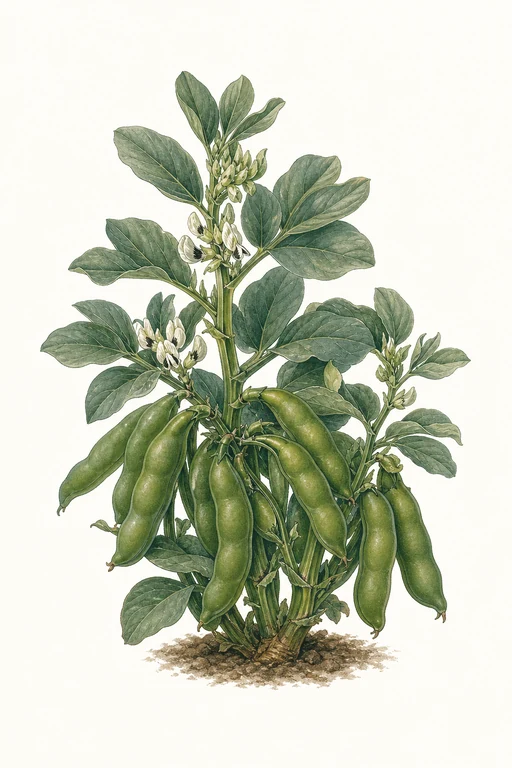
Sweetly fragrant and richly green from the first pods onward, Sutton Dwarf brings a compact, garden-friendly harvest with tender, velvety beans that feel almost buttery in the hand.
At maturity, pods hold a plump, substantial shape and deliver a mellow, sweet flavor prized for fresh enjoyment and quick, comforting favorites—ideal for simmered dishes, creamy purées, and vibrant spreads. Grow Sutton Dwarf for a concentrated, satisfying yield that turns your beds into a living patch of deep green promise.
Light: Full SunMaturity: 70 DaysHabit: Upright
Planting schedules and alerts are optimized for Columbus (Zone 6b).
Crop Dates
| Milestone | Date |
|---|---|
| Start Indoors | Direct Sow |
| Last Frost | Apr 25th |
| Transplant / Sow Outdoors | Apr 25th |
| Harvest Begins | Jul 4th |
| Harvest Ends | Oct 16th |
Crop Details
| Trait | Value |
|---|---|
| Days to Maturity | 70 |
| Sun Requirements | Full Sun |
| Growth Habit | Upright |
| Support Needed | None |
| Planting Depth | Normal |
| Germination Temp (°F) | 55 |
| Min Soil Temp (°F) | 40 |
| Min Night Temp (°F) | 28 |
| Harden Off (days) | Not Required |
Culinary Notes

Chef's Note
Sutton Dwarf’s early tenderness gives you that nearly buttery snap—cook it just long enough to go creamy without turning starchy. It loves fat and acid: think olive oil and lemon lifting the green sweetness, or butter for a spoonable, purée-like texture.

Best Uses
- quick simmer and serve with a buttery drizzle
- blend into a silky purée or smash for crostini
- make a bright fava-based spread with lemon and olive oil
- fold into pasta or risotto for a custardy, spoonable texture

Flavor Profile

Kitchen Pairings
Frequently Asked Questions
What’s the most common disease or pest problem on Vicia faba (dwarf broad beans), and how do I treat it?
How often should I water Vicia faba during the main growing phase?
How can I tell when Sutton Dwarf (Vicia faba) is ready to harvest?
Sowing Tips

Transplant Conditions
Wait until soil reaches 40°F and nights stay above 28°F before moving outdoors.
Expert Note

Direct-sow fava beans as soon as the soil can be worked for strong early growth—cool weather is the key to high yield.