
Swiss Chard 'Lucullus'
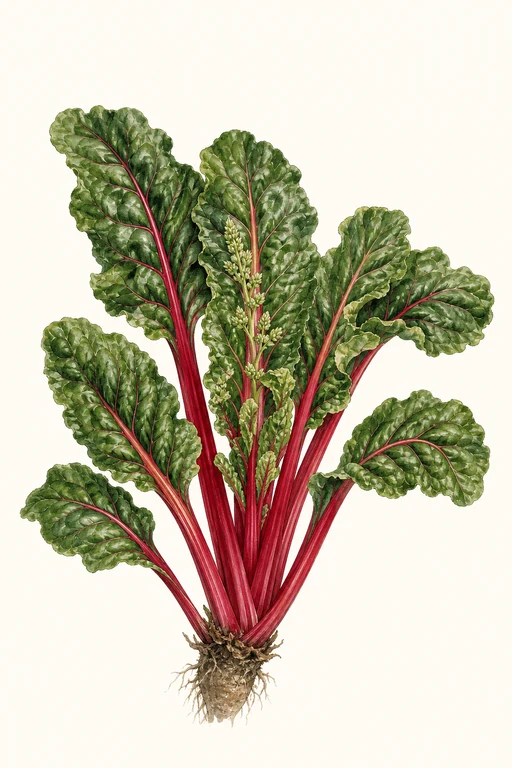
Velvety leaves unfurl in a rich, inky green canopy, while the stems rise in crisp, luminous bands that catch the light—an elegant contrast that feels as good to grow as it looks.
Swiss Chard ‘Lucullus’ offers a tender, succulent bite with a pleasantly mild flavor, making it especially satisfying for fresh salads and quick sauté-style skillet fare. Grow it for steady, harvestable leaves over a short 50-day season, and enjoy its bold color in every garden bed.
Light: Part SunMaturity: 50 DaysHabit: Upright
Planting schedules and alerts are optimized for Columbus (Zone 6b).
Crop Dates
| Milestone | Date |
|---|---|
| Start Indoors | Mar 28th |
| Last Frost | Apr 25th |
| Transplant / Sow Outdoors | Apr 25th |
| Harvest Begins | Jun 14th |
| Harvest Ends | Oct 16th |
Crop Details
| Trait | Value |
|---|---|
| Days to Maturity | 50 |
| Sun Requirements | Part Sun |
| Growth Habit | Upright |
| Support Needed | None |
| Planting Depth | Normal |
| Germination Temp (°F) | 70 |
| Min Soil Temp (°F) | 40 |
| Min Night Temp (°F) | 32 |
| Harden Off (days) | 6 |
Culinary Notes

Chef's Note
Swiss chard ‘Lucullus’ is built for speed: the leaves turn silky fast while the stems keep their snap, so you get texture contrast in one pan. Its mild, lightly bitter edge takes well to lemony fat and creamy finishes—without ever tasting harsh.

Best Uses
- quick skillet sauté until just tender, keeping stems crisp
- hot-and-cold salad: blanch leaves, shock, then dress while still slightly warm
- creamy braise side (steam-simmer, then finish with dairy for a silky coat)
- stacks/rolls with ricotta or soft cheese where the leaves stay pliable, not watery

Flavor Profile

Kitchen Pairings
Frequently Asked Questions
What pest or disease most commonly affects Beta vulgaris var. cicla (Swiss chard) and how do I treat it?
How often should I water Swiss chard during the main growing phase?
How can I tell when Swiss chard ‘Lucullus’ (Beta vulgaris var. cicla) is ready to harvest?
Sowing Tips

Transplant Conditions
Wait until soil reaches 40°F and nights stay above 32°F before moving outdoors. Harden off for 6 days first.
Expert Note

For best flavor, grow Swiss chard in cool weather and keep soil evenly moist; harvest outer leaves early to encourage continuous regrowth.