
Tall Utah 52-70R
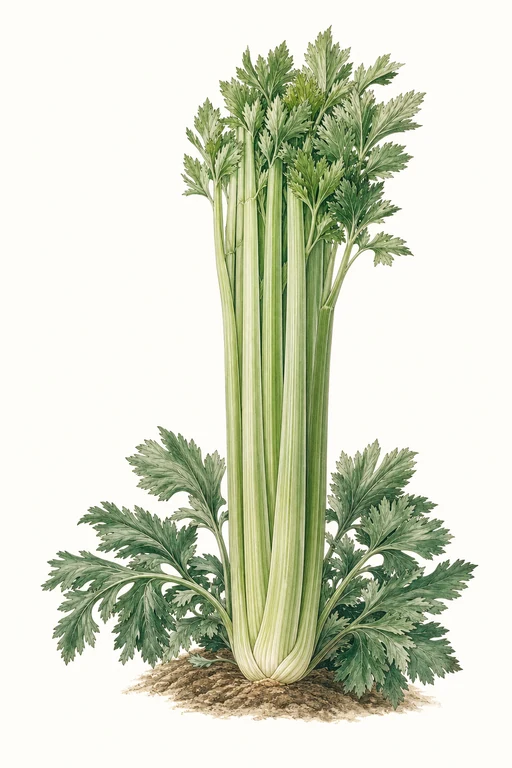
Crisp, sea-sweet stalks rise tall and true, delivering a clean snap with a bright, herbal fragrance that lingers as you break the ribs.
Tall Utah 52-70R forms sturdy, upright plants with a dense, tender texture—ideal for refreshing salads, vibrant slaws, and silky sauces where celery’s signature flavor shines. A cool-season favorite at about 70 days, it’s a dependable choice for gardeners who want long, elegant stalks with excellent eating quality.
Light: Part SunMaturity: 70 DaysHabit: Upright
Crop Dates : 2b
| Milestone | Date |
|---|---|
| Start Indoors | Mar 6th |
| Last Frost | May 15th |
| Transplant / Sow Outdoors | May 15th |
| Harvest Begins | Jul 24th |
| Harvest Ends | Aug 25th |
Crop Details
| Trait | Value |
|---|---|
| Days to Maturity | 70 |
| Sun Requirements | Part Sun |
| Growth Habit | Upright |
| Support Needed | None |
| Planting Depth | Normal |
| Germination Temp (°F) | 70 |
| Min Soil Temp (°F) | 45 |
| Min Night Temp (°F) | 50 |
| Harden Off (days) | 7 |
Culinary Notes

Chef's Note
Tall Utah’s eating quality is all about that crisp, sea-sweet snap and the lingering green perfume that survives being chopped thin for slaw or blended for a smooth soup. Skip the heavy alliums here—this celery wants bright acid, fat (butter), and herbs that amplify its clean, herbal finish.

Best Uses
- tall-stalk slaws with a crunchy, rib-holding dressing
- raw crudités and pickles where the ribs need to stay crisp
- celery-forward soups and stocks that taste like the stalk, not just aromatics
- silky purées or velouté-style sauces where celery’s perfume should carry

Flavor Profile

Frequently Asked Questions
What pest or disease most commonly affects Apium graveolens var. dulce (celery/giant red celery) in home gardens, and how can I manage it?
How often should I water celery (Apium graveolens var. dulce) during its main growth phase?
How do I tell when this celery is ready to harvest (around 70 days)?
Sowing Tips

Transplant Conditions
Wait until soil reaches 45°F and nights stay above 50°F before moving outdoors. Harden off for 7 days first.
Expert Note

Start celery early indoors and transplant only when nights are warm enough, then keep moisture consistent to prevent stringiness or hollow stalks.