
Tennessee Dancing
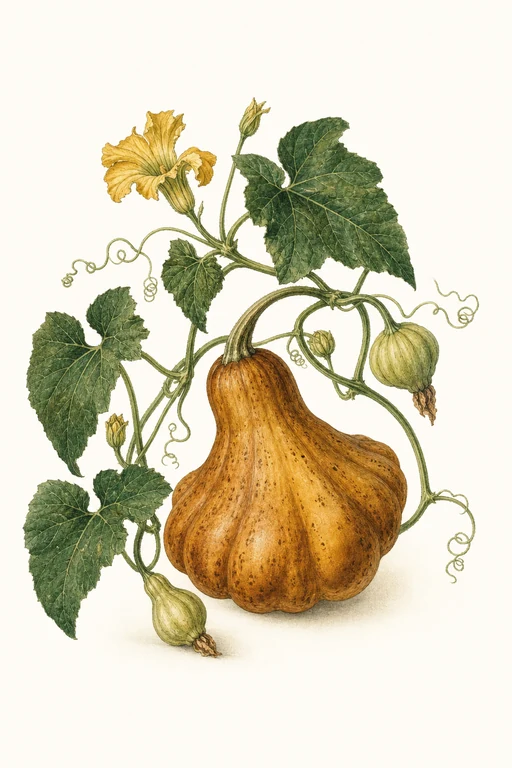
Feel the slow, sun-warmed thrill of Tennessee Dancing gourd—its skin ripens to a rich, burnished palette and holds a graceful, lively form that seems to sway even when still.
The flesh is pleasantly firm with a clean, mellow character, making it a versatile choice for hearty preparations and bold flavor-building uses. Grow it for dependable maturity around 90 days and for the satisfying, sculptural beauty it brings to the garden as it develops.
Light: Full SunMaturity: 90 DaysHabit: Vine
Planting schedules and alerts are optimized for Columbus (Zone 6b).
Crop Dates
| Milestone | Date |
|---|---|
| Start Indoors | May 9th |
| Last Frost | Apr 25th |
| Transplant / Sow Outdoors | May 23rd |
| Harvest Begins | Aug 21st |
| Harvest Ends | Oct 16th |
Crop Details
| Trait | Value |
|---|---|
| Days to Maturity | 90 |
| Sun Requirements | Full Sun |
| Growth Habit | Vine |
| Support Needed | Trellis |
| Planting Depth | Normal |
| Germination Temp (°F) | 70 |
| Min Soil Temp (°F) | 70 |
| Min Night Temp (°F) | 55 |
| Harden Off (days) | 12 |
Culinary Notes

Chef's Note
Tennessee Dancing’s firm flesh behaves more like a dependable winter-squash cousin than a watery summer gourd, so it stays toothsome in roasts and braises. It’s mild enough to let aggressive seasonings—smoke, garlic, vinegar—hit full volume without the interior getting bland or falling apart.

Best Uses
- thick roasted wedges with browned edges
- stews and braises where it holds structure
- stuffed halves (bake until tender without turning mushy)
- pickled or quick-seared slices for a crunchy-tender texture

Flavor Profile

Kitchen Pairings
Frequently Asked Questions
What’s a common pest or disease problem for Lagenaria siceraria (Dipper Gourd), and how do I control it?
How often should I water Lagenaria siceraria during its main growing phase?
How can I tell when Lagenaria siceraria (Tennessee Dancing) is ready to harvest?
Sowing Tips

Transplant Conditions
Wait until soil reaches 70°F and nights stay above 55°F before moving outdoors. Harden off for 12 days first.

Direct Sow Preferred
Sensitive roots — does not transplant well. If starting indoors, use biodegradable pots and disturb roots as little as possible when moving outdoors.
Expert Note

Start indoors only briefly (or sow outside once soil warms), and give plenty of space—vine gourds need strong growth to develop their sculptural shapes.