
Teton
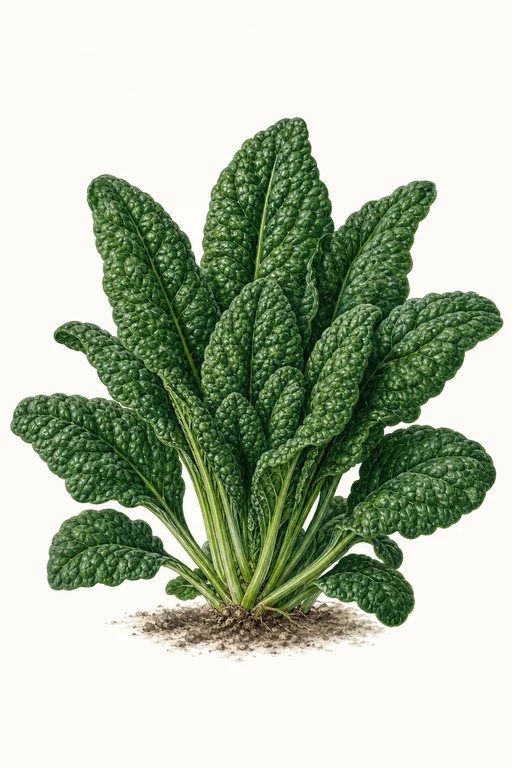
Sink your spoon into Teton’s richly savoyed leaves—crisp, deeply quilted, and vividly green with a tender, sweet finish.
At about 40 days, this market-class spinach forms an upright, leafy mound that stays flavorful and pleasantly crisp, even as the leaves mature. Grow Teton for fresh salads and quick sauté-style meals, or for silky green sauces and nutrient-packed additions that shine when steamed or blanched.
Light: Part SunMaturity: 40 DaysHabit: Rosette
Location not set yet
Location not set yet
Enter your ZIP for local crop dates
Teton Planting Dates by USDA Zone
Estimated US hardiness-zone windows for sow, transplant, and harvest. Enter a US ZIP above for exact local dates, or open a zone below.
| Zone | Start Indoors | Sow / Transplant | Harvest |
|---|---|---|---|
| Zone 1a | Protected Environment Only | ||
| Zone 1b | Apr 27th | Jun 1st | Jul 11th – Aug 1st |
| Zone 2a | Apr 20th | May 25th | Jul 4th – Aug 29th |
| Zone 2b | Apr 10th | May 15th | Jun 24th – Aug 25th |
| Zone 3a | Apr 10th | May 15th | Jun 24th – Sep 1st |
| Zone 3b | Apr 14th | May 19th | Jun 28th – Sep 21st |
| Zone 4a | Apr 10th | May 15th | Jun 24th – Sep 24th |
| Zone 4b | Apr 8th | May 13th | Jun 22nd – Sep 27th |
| Zone 5a | Apr 3rd | May 8th | Jun 17th – Sep 30th |
| Zone 5b | Mar 30th | May 4th | Jun 13th – Oct 5th |
| Zone 6a | Mar 27th | May 1st | Jun 10th – Oct 10th |
| Zone 6b | Mar 21st | Apr 25th | Jun 4th – Oct 16th |
| Zone 7a | Mar 16th | Apr 20th | May 30th – Oct 20th |
| Zone 7b | Mar 6th | Apr 10th | May 20th – Oct 28th |
| Zone 8a | Feb 25th | Apr 1st | May 11th – Nov 5th |
| Zone 8b | Feb 16th | Mar 23rd | May 2nd – Nov 12th |
| Zone 9a | Jan 30th | Mar 6th | Apr 15th – Nov 26th |
| Zone 9b | Jan 5th | Feb 9th | Mar 21st – Dec 9th |
| Zone 10a | — | Oct 1st | Nov 10th – Feb 28th |
| Zone 10b | — | Oct 1st | Nov 10th – Feb 28th |
| Zone 11a | — | Oct 1st | Nov 10th – Feb 28th |
| Zone 11b | — | Oct 1st | Nov 10th – Feb 28th |
| Zone 12a | — | Oct 1st | Nov 10th – Feb 28th |
| Zone 12b | — | Oct 1st | Nov 10th – Feb 28th |
| Zone 13a | — | Oct 1st | Nov 10th – Feb 28th |
| Zone 13b | — | Oct 1st | Nov 10th – Feb 28th |
Crop Details
| Trait | Value |
|---|---|
| Days to Maturity | 40 |
| Sun Requirements | Part Sun |
| Growth Habit | Rosette |
| Support Needed | None |
| Planting Depth | Normal |
| Germination Temp (°F) | 55 |
| Min Soil Temp (°F) | 40 |
| Min Night Temp (°F) | 32 |
| Harden Off (days) | 6 |
Culinary Notes

Chef's Note
Teton’s deeply quilted savoy leaves give you a real bite—no sad collapse—so it stays lively in a fast pan or a steam-and-squeeze situation. Built for that sweet, clean spinach flavor that reads bright with lemon and butter and turns plush when blitzed into a green sauce.

Best Uses
- flash-sauté in hot olive oil with a quick steam to keep the leaves crisp
- blanch and squeeze dry for silky green sauce base without turning gritty
- raw salad greens where the leaf texture stays snappy under vinaigrette
- stir into hot pasta or dumpling filling at the last second so it doesn’t collapse

Flavor Profile

Kitchen Pairings
Frequently Asked Questions
What pest or disease is most likely on spinach (Spinacia oleracea), and how can I control it?
How often should I water spinach during its main growth phase (about the first 3–5 weeks)?
How do I tell when Spinacia oleracea ‘Teton’ is ready to harvest?
Sowing Tips

Transplant Conditions
Wait until soil reaches 40°F and nights stay above 32°F before moving outdoors. Harden off for 6 days first.
Expert Note

Start spinach early and keep it cool—success comes from avoiding heat (shade/row cover if nights warm up).