
Texas Cream 40
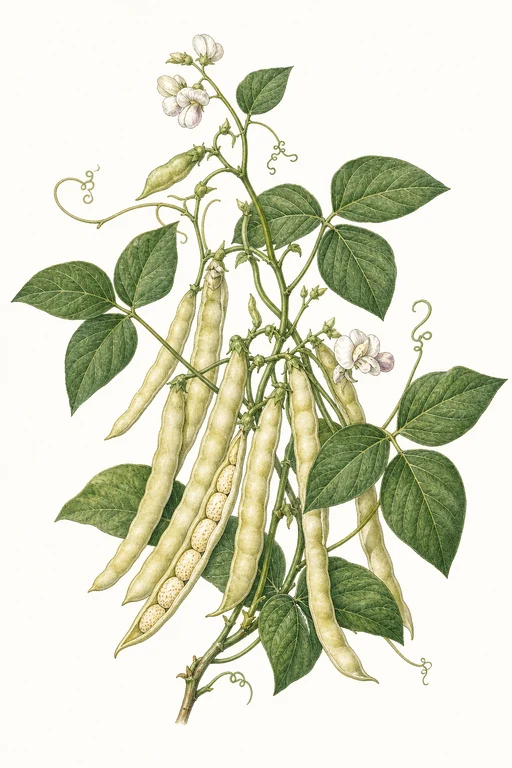
Velvety pods unfold to reveal Texas Cream 40’s creamy, softly speckled beans—an inviting, buttery color that feels as good as it looks.
The beans develop with a tender, succulent bite and a smooth, mellow flavor that shines in hearty pots and bright skillet favorites, while also lending itself beautifully to fresh preparations and tangy preserves. Grow this warm-season favorite for a dependable harvest around 60 days, with plants that keep producing as the season warms.
Light: Full SunMaturity: 60 DaysHabit: Bush
Planting schedules and alerts are optimized for Columbus (Zone 6b).
Crop Dates
| Milestone | Date |
|---|---|
| Start Indoors | Direct Sow |
| Last Frost | Apr 25th |
| Transplant / Sow Outdoors | Apr 25th |
| Harvest Begins | Jun 24th |
| Harvest Ends | Oct 16th |
Crop Details
| Trait | Value |
|---|---|
| Days to Maturity | 60 |
| Sun Requirements | Full Sun |
| Growth Habit | Bush |
| Support Needed | Trellis |
| Planting Depth | Normal |
| Germination Temp (°F) | 75 |
| Min Soil Temp (°F) | 65 |
| Min Night Temp (°F) | 60 |
| Harden Off (days) | Not Required |
Culinary Notes

Chef's Note
Texas Cream 40 leans creamy and mellow, so it rewards gentle cooking—aim for tender beans that hold their soft bite without going starchy. Use it where you want a buttery mouthfeel, then wake it up with acid (lemon/lime) and smoky-salty proteins.

Best Uses
- buttery skillet cowpeas with aromatics and a squeeze of citrus
- thickening beans into a spoonable stew or succotash-style pot
- fresh or lightly cooked cowpea salads dressed in tangy vinaigrettes
- tangy preserved beans/chowders where they stay soft without turning grainy

Flavor Profile

Frequently Asked Questions
What pest or disease most commonly affects Vigna unguiculata (Texas Cream/“Purple Hull” cowpea), and how do I control it at home?
How often should I water Vigna unguiculata during the main growing phase?
How can I tell when Vigna unguiculata (Texas Cream/Purple Hull cowpea) is ready to harvest?
Sowing Tips

Transplant Conditions
Wait until soil reaches 65°F and nights stay above 60°F before moving outdoors.
Expert Note

For best “pea-like” cowpea pod quality, plant once soil is warm and keep moisture consistent during emergence—avoid transplanting to protect the root system.