
Texas Red And White
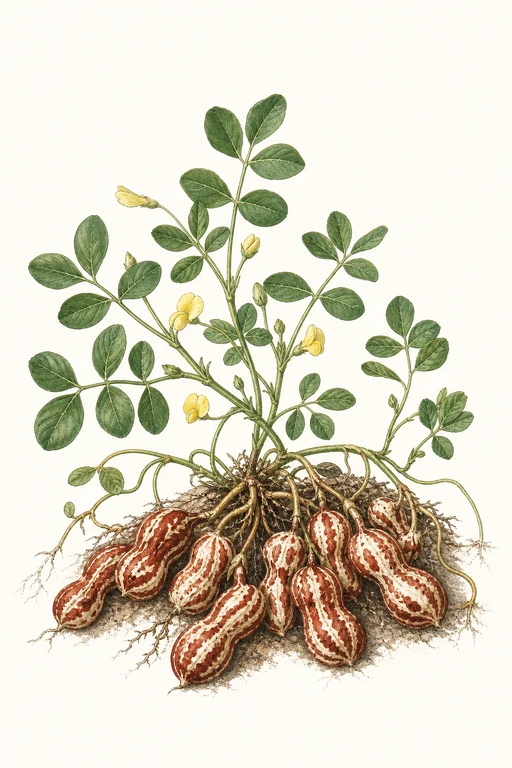
Roasted in the imagination, Texas Red And White brings a striking, candy-striped charm—warm red-brown skins banded with creamy white—paired with a rich, nutty depth and a satisfyingly crisp bite.
The kernels are well-filled and balanced, making them a standout for home roasting and for turning into smooth, aromatic spreads and sauces. Grow this dependable 130-day peanut for a harvest that feels both ornamental and deliciously rewarding, with pods that promise plenty beneath the soil’s surface.
Light: Full SunMaturity: 130 DaysHabit: Bush
Planting schedules and alerts are optimized for Columbus (Zone 6b).
Crop Dates
| Milestone | Date |
|---|---|
| Start Indoors | Direct Sow |
| Last Frost | Apr 25th |
| Transplant / Sow Outdoors | Apr 25th |
| Harvest Begins | Sep 2nd |
| Harvest Ends | Oct 16th |
Crop Details
| Trait | Value |
|---|---|
| Days to Maturity | 130 |
| Sun Requirements | Full Sun |
| Growth Habit | Bush |
| Support Needed | None |
| Planting Depth | Normal |
| Germination Temp (°F) | 68 |
| Min Soil Temp (°F) | 60 |
| Min Night Temp (°F) | 55 |
| Harden Off (days) | Not Required |
Culinary Notes

Chef's Note
This peanut is built for roasting: the kernels hold shape and deliver a crisp bite with a warm, slightly sweet finish rather than turning flabby. Use the stripes to your advantage—toast until fragrant, then go sweet-salty with lime, soy, and chili, or blend into a silky spread that stays cohesive.

Best Uses
- dry-roasting for a high-heat crunch snack
- blending into a smooth, aromatic peanut butter with a lightly salted edge
- crushing for satay-style rubs and crunchy toppings
- stirring into thick sauces where nut body thickens without feeling heavy

Flavor Profile

Frequently Asked Questions
What’s the most common peanut (Arachis hypogaea) disease to watch for, and how can I stop it?
How often should I water peanuts during the main growing phase (around flowering and pod filling)?
How do I tell when Texas Red and White peanuts are ready to harvest?
Sowing Tips

Transplant Conditions
Wait until soil reaches 60°F and nights stay above 55°F before moving outdoors.
Expert Note

For best yields, plant in warm soil and keep pods from rotting by avoiding excess moisture once pegs start entering the soil.