
Thai Extra Long
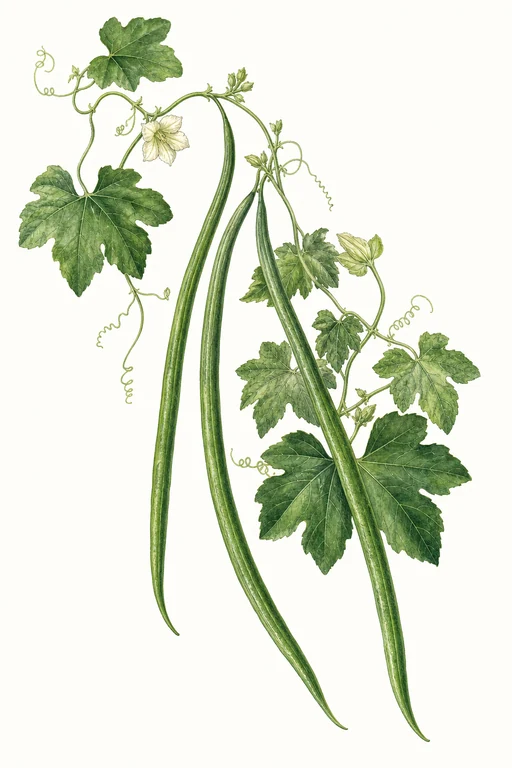
Fragrant and delicately sweet, Thai Extra Long snake gourd unfurls into impressively slender fruit with a tender, crisp bite and a clean, refreshing flavor that shines at its best when young.
The skin stays pleasantly smooth and green, while the flesh remains airy and succulent—ideal for quick stir-fries, light roasting, and bright pickling-style preparations that love a mild, cucumberlike character. Grow it for long, graceful harvests and a garden-to-table bounty that feels both elegant and abundant.
Light: Full SunMaturity: 70 DaysHabit: Vine
Planting schedules and alerts are optimized for Columbus (Zone 6b).
Crop Dates
| Milestone | Date |
|---|---|
| Start Indoors | Direct Sow |
| Last Frost | Apr 25th |
| Transplant / Sow Outdoors | May 9th |
| Harvest Begins | Jul 18th |
| Harvest Ends | Oct 16th |
Crop Details
| Trait | Value |
|---|---|
| Days to Maturity | 70 |
| Sun Requirements | Full Sun |
| Growth Habit | Vine |
| Support Needed | Trellis |
| Planting Depth | Normal |
| Germination Temp (°F) | 75 |
| Min Soil Temp (°F) | 65 |
| Min Night Temp (°F) | 55 |
| Harden Off (days) | 10 |
Culinary Notes

Chef's Note
Thai Extra Long snake gourd is a young-fruit squash: it eats like a crisp vegetable with a faint sweetness, so you want speed—hot pan, short cook, and bright acid to keep it airy. Slice it thin or julienne and let ginger-lime or soy-vinegar do the talking; it won’t need heavy sauce to taste clean and alive.

Best Uses
- quick high-heat stir-fries where it stays crisp
- light roasting to concentrate sweetness without going mushy
- bright pickling-style preparations for snappy tang
- thin slices in cold salads with cool, crisp crunch

Flavor Profile

Frequently Asked Questions
What pest or disease most commonly affects Lagenaria siceraria (snake gourd), and how can I control it at home?
How often should I water Lagenaria siceraria during its main growing phase?
How do I tell when Lagenaria siceraria is ready to harvest?
Sowing Tips

Transplant Conditions
Wait until soil reaches 65°F and nights stay above 55°F before moving outdoors. Harden off for 10 days first.

Direct Sow Preferred
Sensitive roots — does not transplant well. If starting indoors, use biodegradable pots and disturb roots as little as possible when moving outdoors.
Expert Note

Start seeds in warm conditions and transplant only after soil is reliably warm to avoid cold-shock, then train vines to reduce fruit-on-ground issues.