
SproutSmart
SproutSmart™ Intelligent Garden Sowing

Thai Gardens

Family: Lamiaceae Herb

Planting Schedule

Provide your location or planting zone to unlock dates and add Thai Gardens to a garden.

Fragrant as a warm breeze, ‘Thai Gardens’ basil unfurls with bright, peppery-anise lift and a clean, lingering sweetness.

Its tender leaves are glossy and finely textured, forming an upright, richly branched plant that stays flavorful for weeks—ideal for fresh use and for stirring into aromatic sauces, quick wok-style dishes, and fragrant garnishes. Grow it for its bold Thai basil character: aromatic, lively, and beautifully vigorous in the garden bed or pot.

Light: Full SunMaturity: 45 DaysHabit: Upright
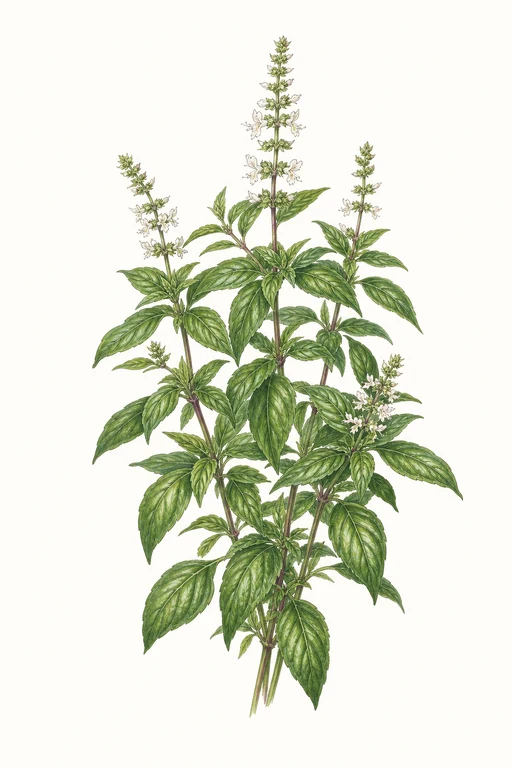
Botanical illustration of Thai Gardens

Location not set yet

Location not set yet

Enter your ZIP for local crop dates

Thai Gardens Planting Dates by USDA Zone

Estimated US hardiness-zone windows for sow, transplant, and harvest. Enter a US ZIP above for exact local dates, or open a zone below.

Zone Start Indoors Sow / Transplant Harvest
Zone 1a Protected Environment Only
Zone 1b May 4th Jul 27th Sep 10th – Aug 1st
Zone 2a Apr 27th Jul 20th Sep 3rd – Aug 29th
Zone 2b Apr 17th Jul 10th Aug 24th – Aug 25th
Zone 3a Apr 17th Jul 10th Aug 24th – Sep 1st
Zone 3b Apr 21st Jul 14th Aug 28th – Sep 21st
Zone 4a Apr 17th Jul 10th Aug 24th – Sep 24th
Zone 4b Apr 15th Jul 8th Aug 22nd – Sep 27th
Zone 5a Apr 10th Jul 3rd Aug 17th – Sep 30th
Zone 5b Apr 6th Jun 29th Aug 13th – Oct 5th
Zone 6a Apr 3rd Jun 26th Aug 10th – Oct 10th
Zone 6b Mar 28th Jun 20th Aug 4th – Oct 16th
Zone 7a Mar 23rd Jun 15th Jul 30th – Oct 20th
Zone 7b Mar 13th Jun 5th Jul 20th – Oct 28th
Zone 8a Mar 4th May 27th Jul 11th – Nov 5th
Zone 8b Feb 23rd May 18th Jul 2nd – Nov 12th
Zone 9a Feb 6th May 1st Jun 15th – Nov 26th
Zone 9b Jan 12th Apr 6th May 21st – Dec 9th
Zone 10a — Oct 1st Nov 15th – Feb 28th
Zone 10b — Oct 1st Nov 15th – Feb 28th
Zone 11a — Oct 1st Nov 15th – Feb 28th
Zone 11b — Oct 1st Nov 15th – Feb 28th
Zone 12a — Oct 1st Nov 15th – Feb 28th
Zone 12b — Oct 1st Nov 15th – Feb 28th
Zone 13a — Oct 1st Nov 15th – Feb 28th
Zone 13b — Oct 1st Nov 15th – Feb 28th

Crop Details

TraitValue
Days to Maturity45
Sun RequirementsFull SunFull sun
Growth HabitUpright
Support NeededNone
Planting DepthNormal
Germination Temp (°F)75
Min Soil Temp (°F)60
Min Night Temp (°F)50
Harden Off (days)10

Culinary Notes


Chef's Note

‘Thai Gardens’ basil brings that distinctive pepper-anise swagger that stays buoyant even when heat hits—add it late for max lift. It’s built for punchy Thai seasoning (fish sauce, lime, chili) where its sweet aromatic finish cuts through fat and salt without turning bitter.

Best Uses

  • quick wok stir-fries where you add leaves at the last minute so they stay fragrant
  • Thai-style basil chicken or pork (sweet-heat, never cooked to mush)
  • tear-and-toss garnishes over noodles, soups, and fried rice for an aromatic top note
  • blending into a quick mortar-style herb sauce or finishing syrupy glaze for grilled seafood

Flavor Profile

bright peppery heat anise-citrus lift clean, lingering sweetness tender, glossy leaves with a lightly crisp bite

Kitchen Pairings

garlic fish sauce lime chili coconut milk white pepper

Frequently Asked Questions


What pest or disease commonly affects Ocimum basilicum (basil) in home gardens, and how do I fix it?
Basil commonly gets downy mildew (often starting as yellow patches on top leaves with grayish growth underneath), especially in humid, crowded conditions. Remove and discard infected leaves, improve airflow by spacing plants and avoiding wetting the foliage, and water at the soil line in the morning. If it’s spreading, treat early with a labeled fungicide for basil/downy mildew and keep plants well-ventilated until new growth appears healthy.
How often should I water Ocimum basilicum during the main growing phase?
During active growth (roughly weeks 2–6), keep soil consistently evenly moist but not soggy—aim for the top 1 inch to dry slightly between waterings. In full sun, this often means watering about 1–2 times per week, more frequently in hot weather, and always adjusting based on how fast the top inch dries. If leaves wilt and then recover quickly in the evening, you’re likely under-watering; if stems stay wet or leaves yellow, you may be over-watering.
How can I tell when Ocimum basilicum is ready to harvest?
Harvest when plants are about 35–45 days old and have developed multiple sets of true leaves (typically 6–8 inches tall), before flowering starts. Pick by pinching or cutting above a leaf pair to encourage branching, and harvest in the morning when leaves are fullest and most aromatic. If you see flower buds forming, harvest immediately to slow flowering and extend production.