
The Sutton
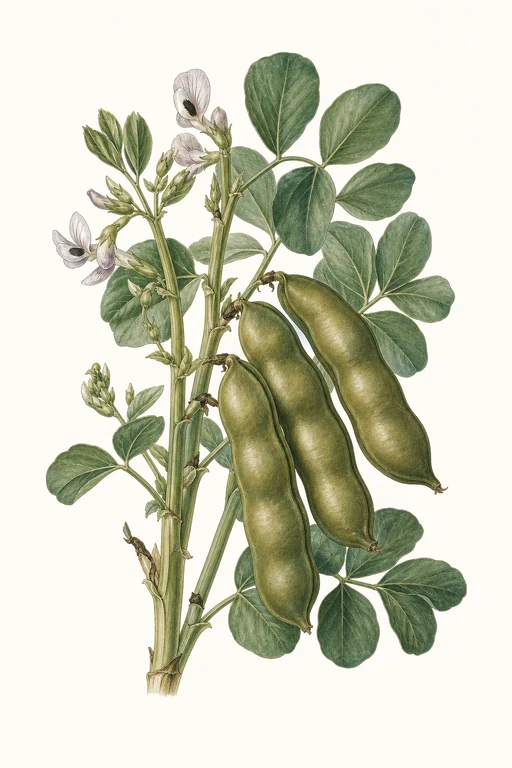
Sweetly fragrant as they ripen, The Sutton fava beans develop a rich, mellow flavor with a tender, creamy bite and a velvety skin that begs to be enjoyed at peak freshness.
Pods carry a substantial, well-filled look, holding beans that feel buttery-smooth in texture—ideal for turning into hearty, comforting dishes or savoring straight from the garden when young and tender. Grow The Sutton for a dependable, long-season harvest that rewards patient gardeners with bold, satisfying legume character.
Light: Full SunMaturity: 95 DaysHabit: Bush
Planting schedules and alerts are optimized for Columbus (Zone 6b).
Crop Dates
| Milestone | Date |
|---|---|
| Start Indoors | Direct Sow |
| Last Frost | Apr 25th |
| Transplant / Sow Outdoors | Apr 25th |
| Harvest Begins | Jul 29th |
| Harvest Ends | Oct 16th |
Crop Details
| Trait | Value |
|---|---|
| Days to Maturity | 95 |
| Sun Requirements | Full Sun |
| Growth Habit | Bush |
| Support Needed | None |
| Planting Depth | Normal |
| Germination Temp (°F) | 45 |
| Min Soil Temp (°F) | 40 |
| Min Night Temp (°F) | 28 |
| Harden Off (days) | Not Required |
Culinary Notes

Chef's Note
The Sutton’s creamy, velvety mouthfeel makes it shine with gentle cooking—think blanch-and-eat or a quick purée that stays smooth rather than drying out. Use bright acid and aromatic herbs to keep the mellow sweetness from turning flat; this bean wants a clean, fast finish with fat.

Best Uses
- quick-blanch-and-pop fresh beans for a warm, spoonable side
- lightly simmered fava purée to fold into pasta or spread on toast
- stewing with gentle heat so they stay creamy instead of grainy
- pan-sautéed young beans finished with fat to cling to the velvet skins

Flavor Profile

Kitchen Pairings
Frequently Asked Questions
What pests or diseases commonly hit Vicia faba (fava beans), and how do I control them?
How often should I water Vicia faba during the main growing phase (after seedlings establish)?
How can I tell when Vicia faba (fava beans) are ready to harvest?
Sowing Tips

Transplant Conditions
Wait until soil reaches 40°F and nights stay above 28°F before moving outdoors.
Expert Note

Sow fava directly in cool weather and keep soil evenly moist until emergence; they dislike root disturbance.