
Tiburon
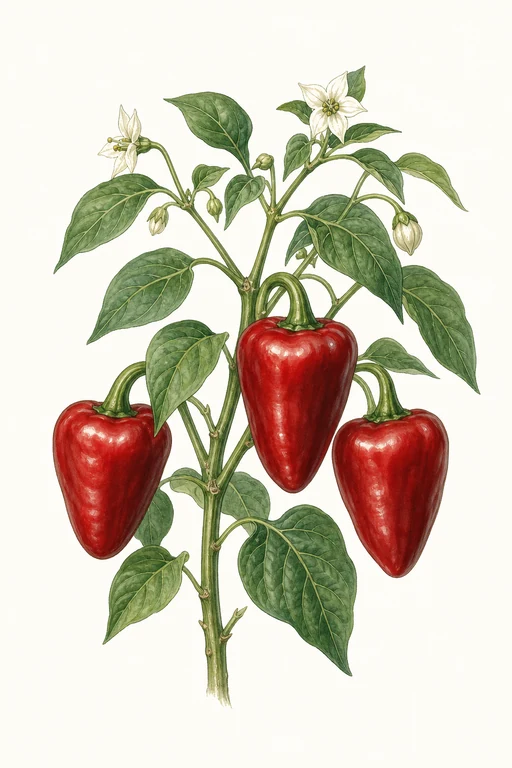
Aromatically green at first, Tiburon ripens into a glossy, deep red pepper with a gently warming finish—mild hot, yet richly flavorful.
The fruits are thick-walled and smooth, holding a satisfying snap and a silky interior that’s ideal for roasting, charring, and stuffing, as well as for fresh salsas and vibrant sauces. Grow Tiburon for dependable garden performance and peppers that look as handsome as they taste—75 days from transplant to market-ready color.
Light: Full SunMaturity: 75 DaysHabit: Upright
Location not set yet
Location not set yet
Enter your ZIP for local crop dates
Tiburon Planting Dates by USDA Zone
Estimated US hardiness-zone windows for sow, transplant, and harvest. Enter a US ZIP above for exact local dates, or open a zone below.
| Zone | Start Indoors | Sow / Transplant | Harvest |
|---|---|---|---|
| Zone 1a | Protected Environment Only | ||
| Zone 1b | Protected Environment Only | ||
| Zone 2a | Apr 6th | Jul 20th | Oct 3rd – Aug 29th |
| Zone 2b | Mar 27th | Jul 10th | Sep 23rd – Aug 25th |
| Zone 3a | Mar 27th | Jul 10th | Sep 23rd – Sep 1st |
| Zone 3b | Mar 31st | Jul 14th | Sep 27th – Sep 21st |
| Zone 4a | Mar 27th | Jul 10th | Sep 23rd – Sep 24th |
| Zone 4b | Mar 25th | Jul 8th | Sep 21st – Sep 27th |
| Zone 5a | Mar 20th | Jul 3rd | Sep 16th – Sep 30th |
| Zone 5b | Mar 16th | Jun 29th | Sep 12th – Oct 5th |
| Zone 6a | Mar 13th | Jun 26th | Sep 9th – Oct 10th |
| Zone 6b | Mar 7th | Jun 20th | Sep 3rd – Oct 16th |
| Zone 7a | Mar 2nd | Jun 15th | Aug 29th – Oct 20th |
| Zone 7b | Feb 20th | Jun 5th | Aug 19th – Oct 28th |
| Zone 8a | Feb 11th | May 27th | Aug 10th – Nov 5th |
| Zone 8b | Feb 2nd | May 18th | Aug 1st – Nov 12th |
| Zone 9a | Jan 16th | May 1st | Jul 15th – Nov 26th |
| Zone 9b | Dec 22nd | Apr 6th | Jun 20th – Dec 9th |
| Zone 10a | Continuous Production | ||
| Zone 10b | Continuous Production | ||
| Zone 11a | Continuous Production | ||
| Zone 11b | Continuous Production | ||
| Zone 12a | Continuous Production | ||
| Zone 12b | Continuous Production | ||
| Zone 13a | Continuous Production | ||
| Zone 13b | Continuous Production | ||
Crop Details
| Trait | Value |
|---|---|
| Days to Maturity | 75 |
| Sun Requirements | Full Sun |
| Growth Habit | Upright |
| Support Needed | Stake |
| Planting Depth | Normal |
| Germination Temp (°F) | 80 |
| Min Soil Temp (°F) | 60 |
| Min Night Temp (°F) | 50 |
| Harden Off (days) | 10 |
Culinary Notes

Chef's Note
Tiburon’s thick wall gives you a pepper you can actually chew—snappy skin, silky center—so it holds up to the heat instead of turning soft and watery. The mild burn lingers like a gentle ember, making it ideal for roasting, charring, and stuffing with bold, citrusy and savory partners.

Best Uses
- roast and peel for chiles that stay meaty in fajita-style strips
- char-grind into a salsa that keeps a clean, glossy texture rather than going watery
- stuff and bake for slices that don’t collapse, even after a hot oven
- slice raw into tacos/sandwiches for crunch that still feels tender

Flavor Profile

Frequently Asked Questions
What pest or disease most often affects Capsicum annuum (poblano-type peppers) and how do I control it?
How often should I water Capsicum annuum during peak growth (after flowering starts)?
How can I tell when my Tiburon poblano pepper (Capsicum annuum) is ready to harvest?
Sowing Tips

Transplant Conditions
Wait until soil reaches 60°F and nights stay above 50°F before moving outdoors. Harden off for 10 days first.
Expert Note

For best yield and uniform pods, keep soil/air warm after transplanting and avoid letting plants sit in cold nights—consistent heat leads to sturdier growth and earlier fruit set.