
Tiger's Eye
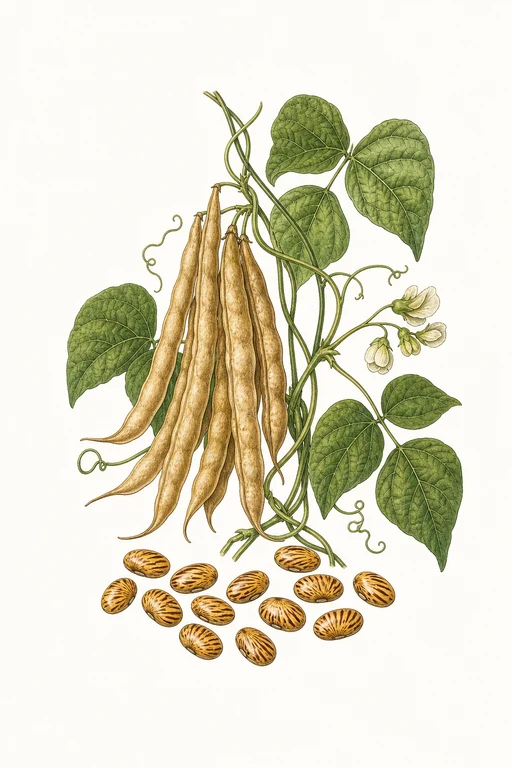
Sunlit and dramatic, Tiger’s Eye dry beans bring a warm, amber-gold canvas brushed with bold, tawny striping—like a gemstone held to the light.
Once cooked, they develop a tender, creamy interior with a pleasantly firm bite, making them ideal for hearty potfuls, robust soups, and silky purées. Grow for dependable, midseason harvests around 100 days, then savor the distinctive color and rich, mellow flavor that defines this standout dry bean.
Light: Full SunMaturity: 100 DaysHabit: Bush
Planting schedules and alerts are optimized for Columbus (Zone 6b).
Crop Dates
| Milestone | Date |
|---|---|
| Start Indoors | Direct Sow |
| Last Frost | Apr 25th |
| Transplant / Sow Outdoors | Apr 25th |
| Harvest Begins | Aug 3rd |
| Harvest Ends | Oct 16th |
Crop Details
| Trait | Value |
|---|---|
| Days to Maturity | 100 |
| Sun Requirements | Full Sun |
| Growth Habit | Bush |
| Support Needed | None |
| Planting Depth | Normal |
| Germination Temp (°F) | 70 |
| Min Soil Temp (°F) | 60 |
| Min Night Temp (°F) | 50 |
| Harden Off (days) | Not Required |
Culinary Notes

Chef's Note
Tiger’s Eye dry beans cook up with a creamy center but keep a good, toothsome firmness—ideal when you want body without mush. Their mellow nuttiness and amber warmth love slow simmering with aromatics and a bright acidic finish to wake the pot.

Best Uses
- long-simmered bean soups and broths where they stay intact
- silky purées or dips—treat like a spreadable, spoonable cream
- braises and hearty stews that benefit from thickening
- seasoned bean salads served warm with a punchy vinaigrette

Flavor Profile

Frequently Asked Questions
What pest or disease problem commonly affects Phaseolus vulgaris (Tiger's Eye beans), and how do I address it?
How often should I water Phaseolus vulgaris during the main growing phase?
How can I tell when Tiger's Eye (Phaseolus vulgaris) is ready to harvest?
Sowing Tips

Transplant Conditions
Wait until soil reaches 60°F and nights stay above 50°F before moving outdoors.
Expert Note

Direct-sow once soil warms and stay hands-off with roots—dry beans dislike transplanting and will suffer reduced yields.