
Tiny Tim
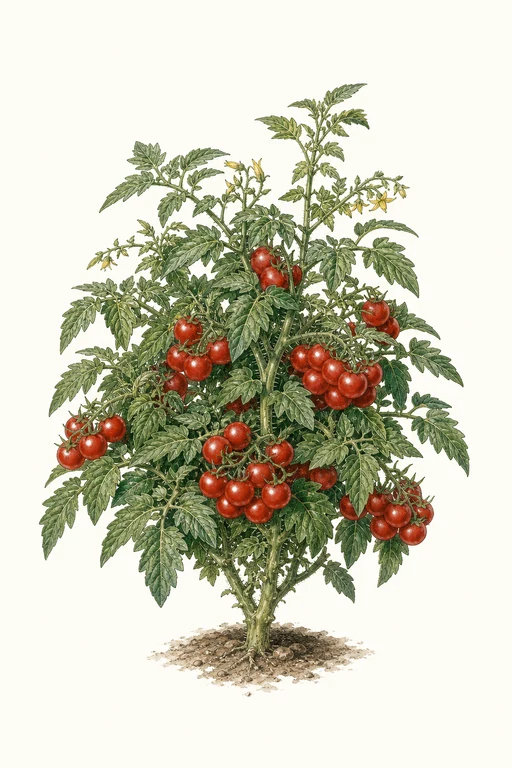
Sweet, bite-sized jewels ripen to a glossy, classic tomato red—bursting with bright, tangy flavor and a tender, juicy snap.
Tiny Tim’s compact plants stay neatly in bounds while producing abundant clusters of miniature fruit, each one bursting with rich “tomato” character. Ideal for fresh snacking, vibrant salads, and quick burst-of-color garnishes, with plenty of charm for sauces and roasting trays alike.
Light: Full SunMaturity: 60 DaysHabit: Determinate
Location not set yet
Location not set yet
Enter your ZIP for local crop dates
Tiny Tim Planting Dates by USDA Zone
Estimated US hardiness-zone windows for sow, transplant, and harvest. Enter a US ZIP above for exact local dates, or open a zone below.
| Zone | Start Indoors | Sow / Transplant | Harvest |
|---|---|---|---|
| Zone 1a | Protected Environment Only | ||
| Zone 1b | Apr 13th | Jul 20th | Sep 18th – Aug 1st |
| Zone 2a | Apr 6th | Jul 13th | Sep 11th – Aug 29th |
| Zone 2b | Mar 27th | Jul 3rd | Sep 1st – Aug 25th |
| Zone 3a | Mar 27th | Jul 3rd | Sep 1st – Sep 1st |
| Zone 3b | Mar 31st | Jul 7th | Sep 5th – Sep 21st |
| Zone 4a | Mar 27th | Jul 3rd | Sep 1st – Sep 24th |
| Zone 4b | Mar 25th | Jul 1st | Aug 30th – Sep 27th |
| Zone 5a | Mar 20th | Jun 26th | Aug 25th – Sep 30th |
| Zone 5b | Mar 16th | Jun 22nd | Aug 21st – Oct 5th |
| Zone 6a | Mar 13th | Jun 19th | Aug 18th – Oct 10th |
| Zone 6b | Mar 7th | Jun 13th | Aug 12th – Oct 16th |
| Zone 7a | Mar 2nd | Jun 8th | Aug 7th – Oct 20th |
| Zone 7b | Feb 20th | May 29th | Jul 28th – Oct 28th |
| Zone 8a | Feb 11th | May 20th | Jul 19th – Nov 5th |
| Zone 8b | Feb 2nd | May 11th | Jul 10th – Nov 12th |
| Zone 9a | Jan 16th | Apr 24th | Jun 23rd – Nov 26th |
| Zone 9b | Dec 22nd | Mar 30th | May 29th – Dec 9th |
| Zone 10a | Continuous Production | ||
| Zone 10b | Continuous Production | ||
| Zone 11a | Continuous Production | ||
| Zone 11b | Continuous Production | ||
| Zone 12a | Continuous Production | ||
| Zone 12b | Continuous Production | ||
| Zone 13a | Continuous Production | ||
| Zone 13b | Continuous Production | ||
Crop Details
| Trait | Value |
|---|---|
| Days to Maturity | 60 |
| Sun Requirements | Full Sun |
| Growth Habit | Determinate |
| Support Needed | Cage |
| Planting Depth | Deep |
| Germination Temp (°F) | 75 |
| Min Soil Temp (°F) | 60 |
| Min Night Temp (°F) | 50 |
| Harden Off (days) | 7 |
Culinary Notes

Chef's Note
Tiny Tim’s mini size means you get maximum surface area—at heat it blisters fast, then turns into a glossy, tangy juice that clings instead of turning watery. Its sweet-tart snap makes it ideal for quick, high-impact cooking and for salads where the tomatoes still taste alive and bright.

Best Uses
- hot-butter blistering: quick high-heat roast/saute so they pop but don’t collapse
- snack-and-salad halves under a punchy vinaigrette
- burst-of-color garnish on toast, bowls, and grain salads
- jammy quick sauce by simmering just until skins split and the juices turn glossy

Flavor Profile

Kitchen Pairings
Frequently Asked Questions
What are common pests or diseases for Solanum lycopersicum (Tiny Tim tomatoes) and how do I treat them?
How often should I water Tiny Tim tomatoes during the main growing phase, and what soil moisture level do they need?
How can I tell when Tiny Tim tomatoes are ready to harvest?
Sowing Tips

Transplant Conditions
Wait until soil reaches 60°F and nights stay above 50°F before moving outdoors. Harden off for 7 days first.
Expert Note

Tiny Tim is compact, but still needs warm soil—wait until nights are reliably above ~50°F and the soil is ≥60°F before transplanting, then keep evenly moist for steady fruiting.