
Toma Verde de Puebla
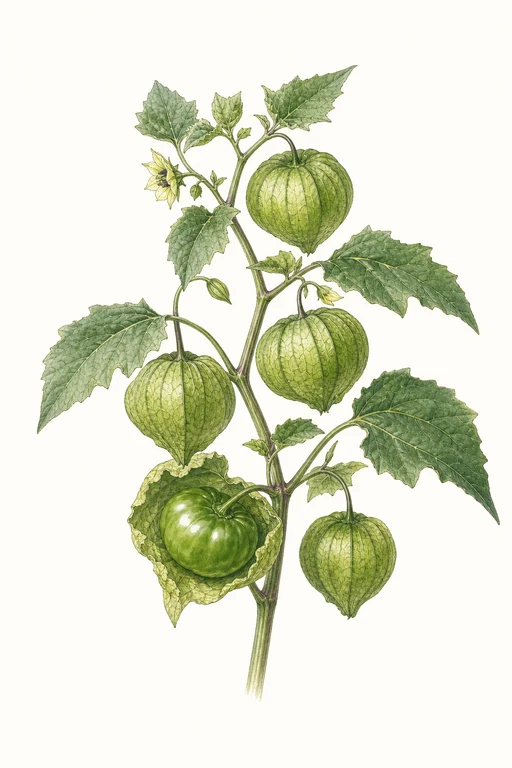
Aromatically bright and vividly tangy, Toma Verde de Puebla ripens to jewel-green tomatillos cradled in papery husks that feel like fine parchment between the fingers.
The fruit’s flesh is firm and juicy with a lively snap—ideal for turning into zesty green sauces, roasting until mellow, or pickling for a crisp, punchy bite that keeps well. Grow this 70-day standout for a steady harvest of bold, green flavor from early summer into fall.
Light: Full SunMaturity: 70 DaysHabit: Indeterminate
Planting schedules and alerts are optimized for Columbus (Zone 6b).
Crop Dates
| Milestone | Date |
|---|---|
| Start Indoors | Mar 7th |
| Last Frost | Apr 25th |
| Transplant / Sow Outdoors | Jun 20th |
| Harvest Begins | Aug 29th |
| Harvest Ends | Oct 16th |
Crop Details
| Trait | Value |
|---|---|
| Days to Maturity | 70 |
| Sun Requirements | Full Sun |
| Growth Habit | Indeterminate |
| Support Needed | Stake |
| Planting Depth | Normal |
| Germination Temp (°F) | 75 |
| Min Soil Temp (°F) | 60 |
| Min Night Temp (°F) | 50 |
| Harden Off (days) | 7 |
Culinary Notes

Chef's Note
This tomatillo brings a punchy, jewel-green tang with firm, juicy flesh—so it holds texture in chunky salsa and doesn’t collapse into watery purée. Roast or simmer it to soften the edge, but keep enough bite for sauces that cling and brighten rather than flatten.

Best Uses
- roasted tomatillo salsa that stays chunky (husk-to-bowl heat mellows the bite without turning it to puree)
- green sauce for enchiladas—blended smooth, then simmered to tame the sharpness
- quick pickling for crisp, peppery garnish that keeps its bite
- charred tomatillo salsa for smoky, tart punch over grilled meats

Flavor Profile

Frequently Asked Questions
What pest or disease is most likely on Physalis philadelphica (Tomatillo) and how do I stop it?
How often should I water Tomatillo during peak growth (first flowers through fruit set)?
How can I tell when Tomatillo (Physalis philadelphica) is ready to harvest?
Sowing Tips

Transplant Conditions
Wait until soil reaches 60°F and nights stay above 50°F before moving outdoors. Harden off for 7 days first.
Expert Note

Start tomatillo indoors to get an early jump, but transplant only when nights are reliably warm (soil ~60°F+) to avoid slow, cold-stressed growth.