
Tonda di Parigi
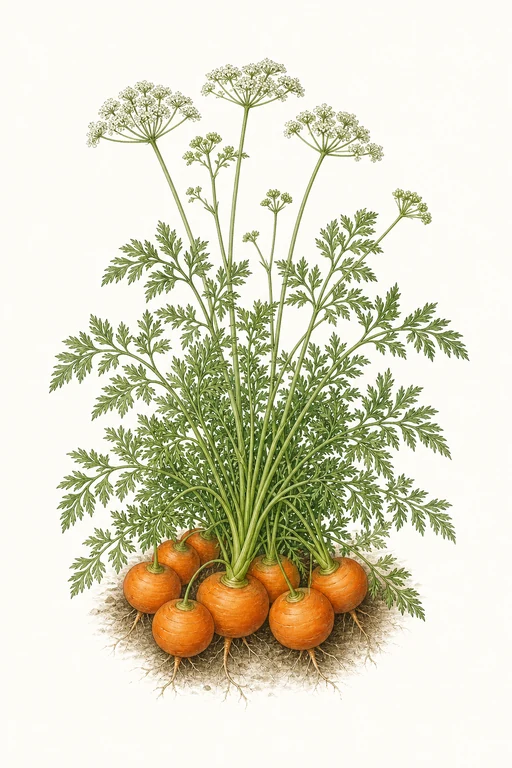
Sweet, sun-warmed flavor meets a tender, snap-crisp bite in Tonda di Parigi—round carrots that develop a vivid, carrot-orange glow and a fine, smooth texture.
Their compact shape cooks down into velvety sweetness with ease, while their juicy crunch shines in fresh preparations and quick pickles. A warm-season favorite for gardeners who want reliable, uniform roots at about 70 days, with harvests that feel like a small harvest of bright color from the bed.
Light: Full SunMaturity: 70 DaysHabit: Taproot
Location not set yet
Location not set yet
Enter your ZIP for local crop dates
Tonda di Parigi Planting Dates by USDA Zone
Estimated US hardiness-zone windows for sow, transplant, and harvest. Enter a US ZIP above for exact local dates, or open a zone below.
| Zone | Start Indoors | Sow / Transplant | Harvest |
|---|---|---|---|
| Zone 1a | Protected Environment Only | ||
| Zone 1b | Protected Environment Only | ||
| Zone 2a | Direct Sow | May 25th | Aug 3rd – Aug 29th |
| Zone 2b | Direct Sow | May 15th | Jul 24th – Aug 25th |
| Zone 3a | Direct Sow | May 15th | Jul 24th – Sep 1st |
| Zone 3b | Direct Sow | May 19th | Jul 28th – Sep 21st |
| Zone 4a | Direct Sow | May 15th | Jul 24th – Sep 24th |
| Zone 4b | Direct Sow | May 13th | Jul 22nd – Sep 27th |
| Zone 5a | Direct Sow | May 8th | Jul 17th – Sep 30th |
| Zone 5b | Direct Sow | May 4th | Jul 13th – Oct 5th |
| Zone 6a | Direct Sow | May 1st | Jul 10th – Oct 10th |
| Zone 6b | Direct Sow | Apr 25th | Jul 4th – Oct 16th |
| Zone 7a | Direct Sow | Apr 20th | Jun 29th – Oct 20th |
| Zone 7b | Direct Sow | Apr 10th | Jun 19th – Oct 28th |
| Zone 8a | Direct Sow | Apr 1st | Jun 10th – Nov 5th |
| Zone 8b | Direct Sow | Mar 23rd | Jun 1st – Nov 12th |
| Zone 9a | Direct Sow | Mar 6th | May 15th – Nov 26th |
| Zone 9b | Direct Sow | Feb 9th | Apr 20th – Dec 9th |
| Zone 10a | Continuous Production | ||
| Zone 10b | Continuous Production | ||
| Zone 11a | Continuous Production | ||
| Zone 11b | Continuous Production | ||
| Zone 12a | Continuous Production | ||
| Zone 12b | Continuous Production | ||
| Zone 13a | Continuous Production | ||
| Zone 13b | Continuous Production | ||
Crop Details
| Trait | Value |
|---|---|
| Days to Maturity | 70 |
| Sun Requirements | Full Sun |
| Growth Habit | Taproot |
| Support Needed | None |
| Planting Depth | Normal |
| Germination Temp (°F) | 55 |
| Min Soil Temp (°F) | 40 |
| Min Night Temp (°F) | 28 |
| Harden Off (days) | Not Required |
Culinary Notes

Chef's Note
Tonda di Parigi’s round roots are built for contrast: bite-sized snap raw, then a fast turn to silky sweetness under heat. The smooth, uniform texture also makes them ideal for quick pickles where they stay crisp instead of going flabby.

Best Uses
- quick pickles and refrigerator crudo-style slices
- shallow-roast or sheet-pan caramelizing (they’ll glaze without turning hollow)
- raw ribbons with a creamy, tangy dressing
- buttery carrot “velouté” style mash for soup or side

Flavor Profile

Kitchen Pairings
Frequently Asked Questions
What pests or diseases most commonly affect Daucus carota var. sativus (Tonda di Parigi), and how do I control them?
How often should I water Tonda di Parigi during the main growing phase to form good roots?
How can I tell when Tonda di Parigi is ready to harvest?
Sowing Tips

Transplant Conditions
Wait until soil reaches 40°F and nights stay above 28°F before moving outdoors.
Expert Note

Direct sow thinly in consistently moist, well-prepared soil and avoid disturbing the roots to keep these globe-shaped carrots round.