
Tongue Of Fire
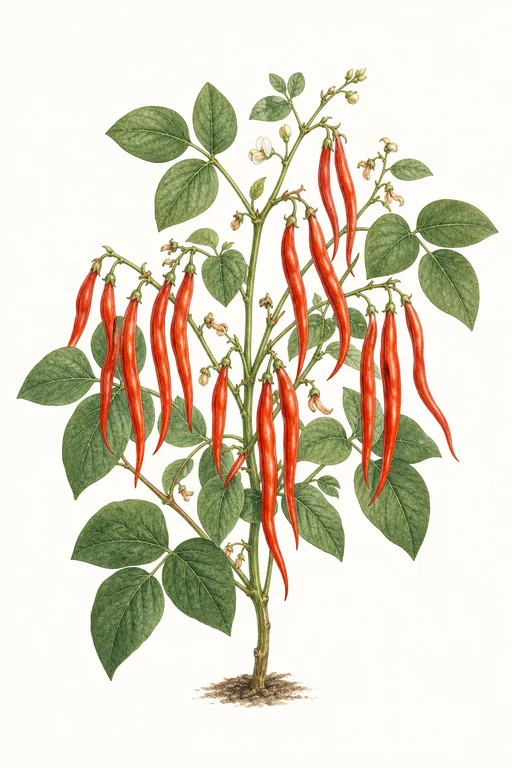
Savor the vivid snap of Tongue Of Fire bush beans—slender, flame-kissed pods that seem to glow from within.
Tender and crisp when freshly picked, they offer a lively, peppery warmth that lingers pleasantly, making them especially enticing for roasting and stir-fries, as well as quick pickling for a bright, fiery bite. Grow them for a compact, tidy garden performance and a harvest that arrives with steady, flavorful momentum in about 50 days.
Light: Full SunMaturity: 50 DaysHabit: Bush
Planting schedules and alerts are optimized for Columbus (Zone 6b).
Crop Dates
| Milestone | Date |
|---|---|
| Start Indoors | Direct Sow |
| Last Frost | Apr 25th |
| Transplant / Sow Outdoors | Apr 25th |
| Harvest Begins | Jun 14th |
| Harvest Ends | Oct 16th |
Crop Details
| Trait | Value |
|---|---|
| Days to Maturity | 50 |
| Sun Requirements | Full Sun |
| Growth Habit | Bush |
| Support Needed | None |
| Planting Depth | Normal |
| Germination Temp (°F) | 70 |
| Min Soil Temp (°F) | 55 |
| Min Night Temp (°F) | 40 |
| Harden Off (days) | Not Required |
Culinary Notes

Chef's Note
Tongue Of Fire bush beans are all about that glassy, crisp bite—heat shows up early and stays pleasant rather than harsh. Treat them hot and fast (or quick-pickle) so they blister and stay snappy instead of turning soft.

Best Uses
- hot quick stir-fries where the pods stay bright and snappy
- roasting until blistered at the edges while the centers remain tender
- short-blanch-and-shock for snappy cold salads
- quick refrigerator pickles for a bright, fiery bite

Flavor Profile

Frequently Asked Questions
What pest or disease should I watch for with Phaseolus vulgaris (Tongue of Fire), and how do I control it?
How often should I water Tongue of Fire while it’s actively growing and setting pods?
How can I tell when Tongue of Fire beans are ready to harvest?
Sowing Tips

Transplant Conditions
Wait until soil reaches 55°F and nights stay above 40°F before moving outdoors.
Expert Note

For best pod quality, keep soil evenly moist early, then avoid water stress once pods set; harvest frequently to encourage continued production.