
Tres Fine Maraichere
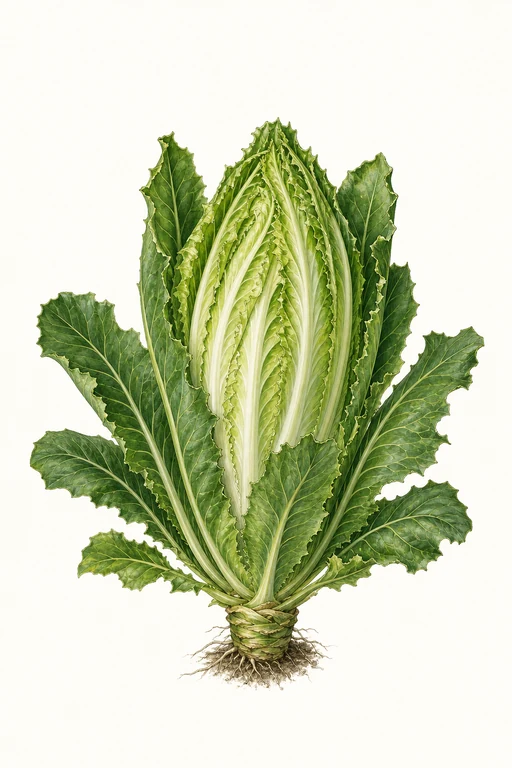
Silky, tightly layered leaves unfurl in a cool, luminous green—Tres Fine Maraichere endive forms a compact rosette with a crisp, tender bite and a delicately sweet, pleasantly mellow bitterness.
At maturity, the heads are beautifully uniform, with a refined texture that stays crisp and elegant whether served fresh or used to brighten salads and refined platters. Grow this standout for its garden-to-table poise: a crisp endive that lends itself to elegant fresh preparations, savory braises, and classic sauces.
Light: Part SunMaturity: 50 DaysHabit: Rosette
Planting schedules and alerts are optimized for Columbus (Zone 6b).
Crop Dates
| Milestone | Date |
|---|---|
| Start Indoors | Direct Sow |
| Last Frost | Apr 25th |
| Transplant / Sow Outdoors | Apr 25th |
| Harvest Begins | Jun 14th |
| Harvest Ends | Oct 16th |
Crop Details
| Trait | Value |
|---|---|
| Days to Maturity | 50 |
| Sun Requirements | Part Sun |
| Growth Habit | Rosette |
| Support Needed | None |
| Planting Depth | Surface |
| Germination Temp (°F) | 70 |
| Min Soil Temp (°F) | 40 |
| Min Night Temp (°F) | 35 |
| Harden Off (days) | Not Required |
Culinary Notes

Chef's Note
Tres Fine Maraichere is built for the kind of eating where texture is the headline: that tightly layered crunch doesn’t collapse under a light dressing. Its sweet, pleasantly mellow bitterness plays especially well with butter, lemon, and nutty richness.

Best Uses
- shaved endive salad with a thin vinaigrette so the layers stay crisp
- charred or sautéed endive quick-browning for a warm, mellowed bitterness
- endive braise in butter and stock until tender-crisp—ideal for a composed plate
- endive leaves used as a sleek spoon for mousse or soft cheese spreads

Flavor Profile

Kitchen Pairings
Frequently Asked Questions
What pest or disease is most likely on Cichorium endivia (frisée) and how do I treat it?
How often should I water Cichorium endivia during the main growing phase?
How can I tell when frisée (Cichorium endivia) is ready to harvest?
Sowing Tips

Transplant Conditions
Wait until soil reaches 40°F and nights stay above 35°F before moving outdoors.
Expert Note

For the best tender, finely cut leaves, sow in cool weather and keep plants evenly moist; heat quickly increases bitterness and looseness.