
Triamble
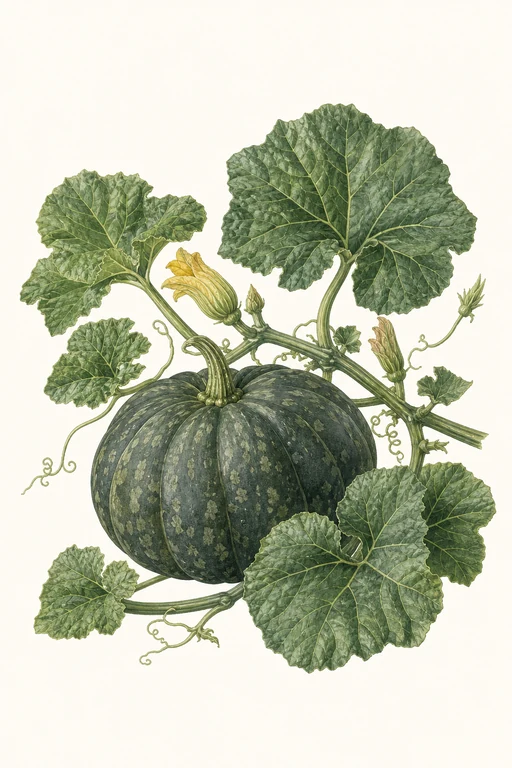
Rich, velvety flesh with a mellow sweetness comes into its own as Triamble winter squash cures—its skin turns deep, steady color and its interior becomes luxuriously dense.
Expect a firm, spoonable texture that roasts to caramel-kissed tenderness, with a flavor that shines in hearty purees and savory sauces. Grow Triamble for a long-season harvest that stores beautifully, bringing autumn’s comfort to your table well after the first cool nights.
Light: Full SunMaturity: 95 DaysHabit: Vine
Planting schedules and alerts are optimized for Columbus (Zone 6b).
Crop Dates
| Milestone | Date |
|---|---|
| Start Indoors | Apr 11th |
| Last Frost | Apr 25th |
| Transplant / Sow Outdoors | Apr 25th |
| Harvest Begins | Jul 29th |
| Harvest Ends | Oct 16th |
Crop Details
| Trait | Value |
|---|---|
| Days to Maturity | 95 |
| Sun Requirements | Full Sun |
| Growth Habit | Vine |
| Support Needed | Trellis |
| Planting Depth | Normal |
| Germination Temp (°F) | 75 |
| Min Soil Temp (°F) | 65 |
| Min Night Temp (°F) | 55 |
| Harden Off (days) | 10 |
Culinary Notes

Chef's Note
Triamble’s dense, curing-enhanced flesh roasts into caramel edges without going watery, making it ideal for thick purees that sit like silk rather than steam off the plate. When you pair it with sharp aromatics (garlic/cider vinegar) and assertive herbs (sage), its mellow sweetness turns savory fast.

Best Uses
- roast-and-purée (the kind you can serve thick with a spoon)
- silky soup or bisque with minimal seasoning
- savory braise base for sausage, beans, and greens
- thick roasting tray wedges that hold their shape

Flavor Profile

Frequently Asked Questions
What’s a common pest or disease issue for Cucurbita maxima (Triamble), and how can I control it?
How often should I water Cucurbita maxima during the main growing phase?
How do I tell when Triamble (Cucurbita maxima) is ready to harvest?
Sowing Tips

Transplant Conditions
Wait until soil reaches 65°F and nights stay above 55°F before moving outdoors. Harden off for 10 days first.

Direct Sow Preferred
Sensitive roots — does not transplant well. If starting indoors, use biodegradable pots and disturb roots as little as possible when moving outdoors.
Expert Note

Start plants only when soil is warm (and keep root disturbance minimal) because winter squash establishes best with quick, warm early growth.