
True Siberian
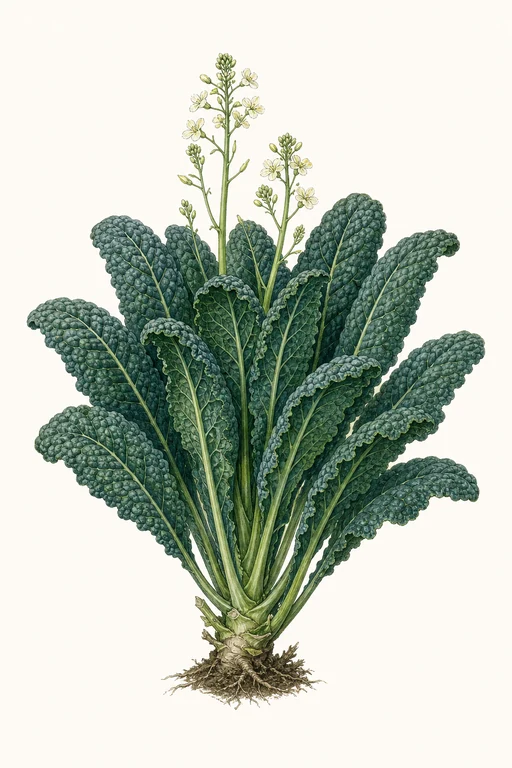
Feel the cool, crisp snap of True Siberian kale as its leaves mature into deep, blue-green rosettes with a satiny, slightly crinkled texture.
Flavor is sweetly vegetal with a gentle, nutty edge that becomes especially inviting as the weather turns—ideal for gardeners who love dependable greens from the first harvest onward. Grow True Siberian for hearty bunches that shine in fresh salads, steam-and-simmer dishes, and robust sauces, and for pickling-ready leaves when you want tangy depth.
Light: Full SunMaturity: 55 DaysHabit: Rosette
Planting schedules and alerts are optimized for Columbus (Zone 6b).
Crop Dates
| Milestone | Date |
|---|---|
| Start Indoors | Mar 28th |
| Last Frost | Apr 25th |
| Transplant / Sow Outdoors | Apr 18th |
| Harvest Begins | Jun 12th |
| Harvest Ends | Oct 16th |
Crop Details
| Trait | Value |
|---|---|
| Days to Maturity | 55 |
| Sun Requirements | Full Sun |
| Growth Habit | Rosette |
| Support Needed | None |
| Planting Depth | Normal |
| Germination Temp (°F) | 40 |
| Min Soil Temp (°F) | 40 |
| Min Night Temp (°F) | 28 |
| Harden Off (days) | 6 |
Culinary Notes

Chef's Note
True Siberian kale eats like a cool-weather green that keeps its structure—sweet and nutty rather than bitter—so it holds up to steam without collapsing. It loves bright acid (lemon or rice vinegar) and salty fat (olive oil, Parmesan) to bring the leaves into sharp, satisfying focus.

Best Uses
- quick-dressed massaged kale salad where it stays snappy
- steam-and-simmer side that turns mellow without going mushy
- tangy, pickling-style chopped kale for bold bite
- blend into a thick, briny kale-forward sauce or pesto-style purée

Flavor Profile

Kitchen Pairings
Frequently Asked Questions
What pest or disease commonly affects Brassica oleracea (True Siberian/Improved Dwarf Siberian), and how do I treat it?
How often should I water Brassica oleracea during the main growing phase?
How can I tell when Brassica oleracea (True Siberian, ~55 days) is ready to harvest?
Sowing Tips

Transplant Conditions
Wait until soil reaches 40°F and nights stay above 28°F before moving outdoors. Harden off for 6 days first.
Expert Note

For this very cold-hardy kale, prioritize steady moisture and harvest the sweetest, tender leaves after frost as flavor improves with chill.