
True
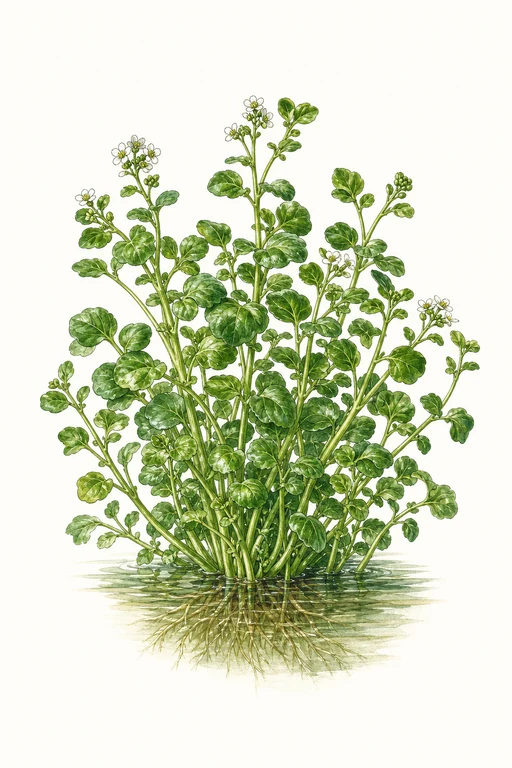
Peppery and vividly green, True watercress delivers a clean, lively bite with a crisp, succulent texture that feels almost electric in the mouth.
Grown for its tender, upright growth and quick maturity, it’s ideal for fresh use—its bright flavor shines when served at its most delicate, with a refreshing snap that lingers. True’s uniform vigor makes it a dependable choice for gardeners who want a steady harvest of flavorful greens from a compact, fast-turning patch.
Light: Part SunMaturity: 35 DaysHabit: Upright
Planting schedules and alerts are optimized for Columbus (Zone 6b).
Crop Dates
| Milestone | Date |
|---|---|
| Start Indoors | Direct Sow |
| Last Frost | Apr 25th |
| Transplant / Sow Outdoors | Apr 25th |
| Harvest Begins | May 30th |
| Harvest Ends | Oct 16th |
Crop Details
| Trait | Value |
|---|---|
| Days to Maturity | 35 |
| Sun Requirements | Part Sun |
| Growth Habit | Upright |
| Support Needed | None |
| Planting Depth | Surface |
| Germination Temp (°F) | 55 |
| Min Soil Temp (°F) | 40 |
| Min Night Temp (°F) | 35 |
| Harden Off (days) | Not Required |
Culinary Notes

Chef's Note
True watercress has that crisp, peppery snap that reads best uncooked—dress it lightly and serve immediately so it doesn’t fade. If you wilt it, do it fast and hot; that’s when it stays electric instead of turning flat.

Best Uses
- fresh watercress salad where the greens stay crisp under dressing
- watercress pesto or quick blitz sauce—no cooking, just emulsion
- watercress tucked into sandwiches or wraps to cut through fat
- stir-tossed at the very end in a hot pan for a 30–60 second wilt

Flavor Profile

Kitchen Pairings
Frequently Asked Questions
What pest or disease commonly affects Nasturtium officinale (watercress) and how can I treat it?
How often should I water Nasturtium officinale during the main growing phase?
How do I know when Nasturtium officinale is ready to harvest?
Sowing Tips

Transplant Conditions
Wait until soil reaches 40°F and nights stay above 35°F before moving outdoors.
Expert Note

Keep watercress in constantly moving, oxygenated water or a continually wet media (never let it dry) and harvest often to maintain tender, peppery growth.