
Tsurusawa Japanese Climbing
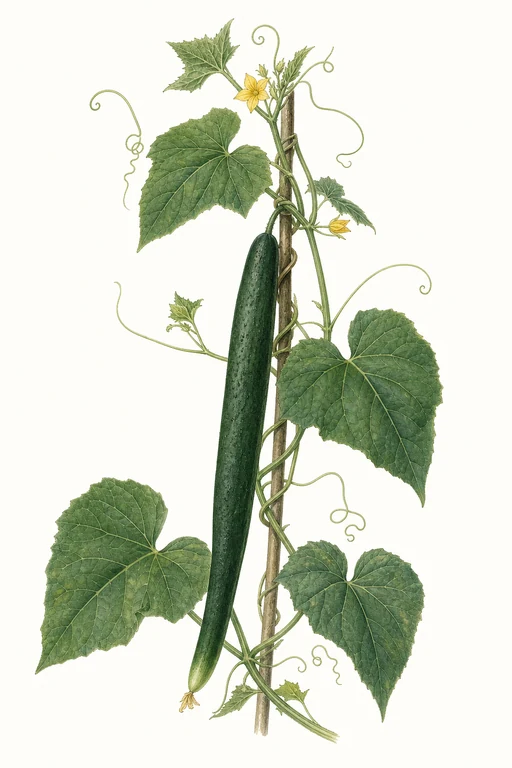
Fragrant, crisp cucumbers with a clean, cool snap—Tsurusawa Japanese Climbing delivers slender, dark-green fruit that tastes bright and refreshingly mild.
The skin stays tender and the flesh remains juicy, making these vines a delight for gardeners who want reliable harvests with a graceful climbing habit. Ideal for fresh slicing and quick pickling, Tsurusawa’s long, elegant shape shines in salads, vinegars, and briny preserves alike.
Light: Full SunMaturity: 55 DaysHabit: Vine
Crop Dates : 5a
| Milestone | Date |
|---|---|
| Start Indoors | Apr 24th |
| Last Frost | May 8th |
| Transplant / Sow Outdoors | May 8th |
| Harvest Begins | Jul 2nd |
| Harvest Ends | Sep 30th |
Crop Details
| Trait | Value |
|---|---|
| Days to Maturity | 55 |
| Sun Requirements | Full Sun |
| Growth Habit | Vine |
| Support Needed | Trellis |
| Planting Depth | Normal |
| Germination Temp (°F) | 70 |
| Min Soil Temp (°F) | 65 |
| Min Night Temp (°F) | 55 |
| Harden Off (days) | 10 |
Culinary Notes

Chef's Note
Tsurusawa Japanese Climbing cucumbers are built for the kind of eating where the texture leads—thin-skinned, juicy, and sharply crisp right up to the last bite. Slice them for a cold, fragrant crunch or pickle them fast in vinegar so they hold their snap instead of turning soft.

Best Uses
- fresh slicing for crisp, high-water bite (especially with salt right before eating)
- quick pickles in vinegar/sugar for that tight snap
- cucumber-vinegar sauces and dressings where it stays crisp
- briny refrigerator pickles that keep a slender, elegant texture

Flavor Profile

Kitchen Pairings
Frequently Asked Questions
What pest or disease commonly affects Cucumis sativus (cucumber) and how can I control it at home?
How often should I water Cucumis sativus during the main growing phase?
How do I know when Cucumis sativus is ready to harvest?
Sowing Tips

Transplant Conditions
Wait until soil reaches 65°F and nights stay above 55°F before moving outdoors. Harden off for 10 days first.

Direct Sow Preferred
Sensitive roots — does not transplant well. If starting indoors, use biodegradable pots and disturb roots as little as possible when moving outdoors.
Expert Note

For best vertical training and uniform fruit, start with a sturdy trellis early and pick frequently while fruits are still small-to-medium.