
Tuscany Spineless
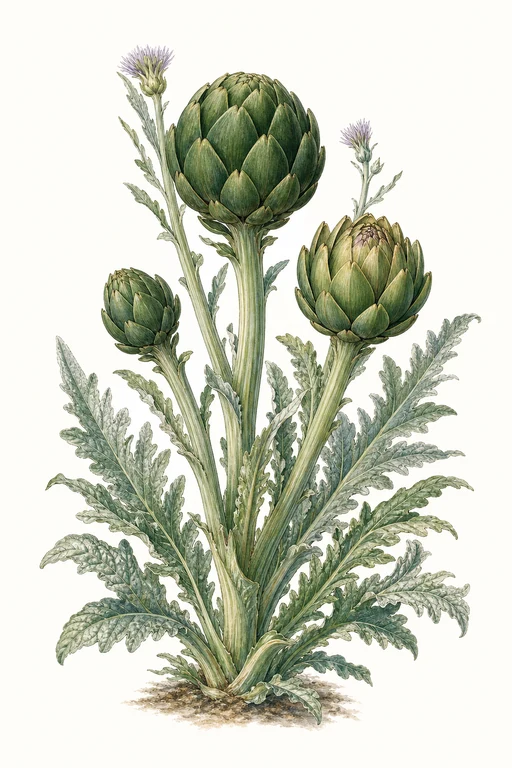
Tender, nutty-sweet hearts emerge on sturdy plants with a distinctly refined, spineless grace—so the buds feel remarkably smooth to the touch and reward the gardener with a lush, gourmet presence.
Tuscany Spineless forms large, deep-green crowns with a satin sheen, delivering a meaty texture that shines in fresh preparations and shines again when roasted for caramelized depth. Grow this perennial for dependable, season-after-season artichoke abundance—ideal for making statement sauces and elegant pickled accents.
Light: Full SunMaturity: 90 DaysHabit: Clumping
Location not set yet
Location not set yet
Enter your ZIP for local crop dates
Tuscany Spineless Planting Dates by USDA Zone
Estimated US hardiness-zone windows for sow, transplant, and harvest. Enter a US ZIP above for exact local dates, or open a zone below.
| Zone | Start Indoors | Sow / Transplant | Harvest |
|---|---|---|---|
| Zone 1a | Apr 6th | Jun 8th | Sep 6th – Jul 15th |
| Zone 1b | Mar 23rd | May 25th | Aug 23rd – Aug 1st |
| Zone 2a | Mar 16th | May 18th | Aug 16th – Aug 29th |
| Zone 2b | Mar 6th | May 8th | Aug 6th – Aug 25th |
| Zone 3a | Mar 6th | May 8th | Aug 6th – Sep 1st |
| Zone 3b | Mar 10th | May 12th | Aug 10th – Sep 21st |
| Zone 4a | Mar 6th | May 8th | Aug 6th – Sep 24th |
| Zone 4b | Mar 4th | May 6th | Aug 4th – Sep 27th |
| Zone 5a | Feb 27th | May 1st | Jul 30th – Sep 30th |
| Zone 5b | Feb 23rd | Apr 27th | Jul 26th – Oct 5th |
| Zone 6a | Feb 20th | Apr 24th | Jul 23rd – Oct 10th |
| Zone 6b | Feb 14th | Apr 18th | Jul 17th – Oct 16th |
| Zone 7a | Feb 9th | Apr 13th | Jul 12th – Oct 20th |
| Zone 7b | Jan 30th | Apr 3rd | Jul 2nd – Oct 28th |
| Zone 8a | Jan 21st | Mar 25th | Jun 23rd – Nov 5th |
| Zone 8b | Jan 12th | Mar 16th | Jun 14th – Nov 12th |
| Zone 9a | Dec 26th | Feb 27th | May 28th – Nov 26th |
| Zone 9b | Dec 1st | Feb 2nd | May 3rd – Dec 9th |
| Zone 10a | — | Oct 1st | Dec 30th – Feb 28th |
| Zone 10b | — | Oct 1st | Dec 30th – Feb 28th |
| Zone 11a | — | Oct 1st | Dec 30th – Feb 28th |
| Zone 11b | — | Oct 1st | Dec 30th – Feb 28th |
| Zone 12a | — | Oct 1st | Dec 30th – Feb 28th |
| Zone 12b | — | Oct 1st | Dec 30th – Feb 28th |
| Zone 13a | — | Oct 1st | Dec 30th – Feb 28th |
| Zone 13b | — | Oct 1st | Dec 30th – Feb 28th |
Crop Details
| Trait | Value |
|---|---|
| Days to Maturity | 90 |
| Sun Requirements | Full Sun |
| Growth Habit | Clumping |
| Support Needed | None |
| Planting Depth | Normal |
| Germination Temp (°F) | 70 |
| Min Soil Temp (°F) | 45 |
| Min Night Temp (°F) | 40 |
| Harden Off (days) | 7 |
Culinary Notes

Chef's Note
Tuscany Spineless gives you smooth, meaty hearts that take heat beautifully—roasting turns the outer layers sweet and deeply toasty while the center stays tender. The flavor leans nutty with a controlled bitterness, so it loves lemon acidity and dairy fats for a glossy, not-sour finish.

Best Uses
- roast or grill for caramelized, jammy edges on the hearts
- shave and dress fresh hearts with lemony vinaigrette for crisp snap
- blend into a velvety hot sauce or dip that clings to bread and fries
- quick-pickle for tangy, crunchy accent bites

Flavor Profile

Kitchen Pairings
Frequently Asked Questions
What pest or disease is most likely to hit Cynara scolymus (Tuscany Spineless artichoke), and what should I do?
How often should I water Tuscany Spineless artichokes during the main growing phase (when plants are building leaves and forming buds)?
How can I tell when Cynara scolymus is ready to harvest (90 days maturity)?
Sowing Tips

Transplant Conditions
Wait until soil reaches 45°F and nights stay above 40°F before moving outdoors. Harden off for 7 days first.
Expert Note

Grow it as a long-season crop: start early, plant in deeply worked soil, and harvest buds once the plants are well-established—yields are typically best in the second year.