
Twilight Blue
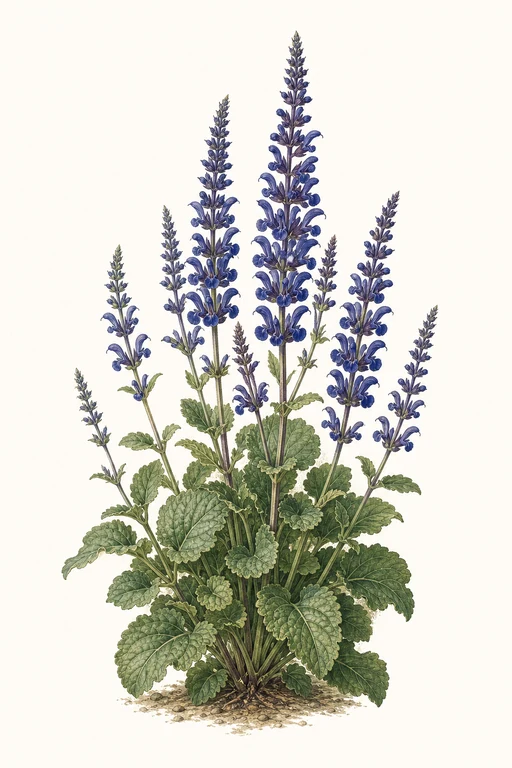
Let the first dusk-blue spikes arrive like a soft twilight wash across the garden—Twilight Blue Meadow sage opens in cool, velvety tones that seem to glow against green foliage.
The blooms carry a fragrant, aromatic presence and a graceful, upright texture, making them especially striking in borders and drifts while drawing pollinators with steady, long-lasting color. Grow it for a refined ornamental perennial that delivers a serene meadow look from early summer into fall.
Light: Full SunMaturity: 75 DaysHabit: Upright
Planting schedules and alerts are optimized for Columbus (Zone 6b).
Crop Dates
| Milestone | Date |
|---|---|
| Start Indoors | Direct Sow |
| Last Frost | Apr 25th |
| Transplant / Sow Outdoors | Apr 25th |
| Harvest Begins | Jul 9th |
| Harvest Ends | Oct 16th |
Crop Details
| Trait | Value |
|---|---|
| Days to Maturity | 75 |
| Sun Requirements | Full Sun |
| Growth Habit | Upright |
| Support Needed | None |
| Planting Depth | Normal |
| Germination Temp (°F) | 70 |
| Min Soil Temp (°F) | 60 |
| Min Night Temp (°F) | 40 |
| Harden Off (days) | Not Required |
Culinary Notes

Chef's Note
Edible salvia blossoms bring a cool, velvety herbal perfume that tastes like sage’s quieter cousin—use them like a finish, not a base, or they’ll drift bitter. Best choices are quick steeps, last-minute salads, or a light drizzle pairing where the petals keep their delicate snap.

Best Uses
- snip into a bright salad at the last second to keep the petals from wilting
- steep briefly in hot syrup or tea for a fragrant, low-sugar herbal note
- dust over buttered flatbread or warm grains like a finishing herb
- use sparingly as a garnish on roast chicken, white fish, or duck to echo the sage family

Flavor Profile

Kitchen Pairings
Frequently Asked Questions
What pest or disease commonly affects Salvia pratensis (meadow sage), and how can I treat it?
How often should I water Salvia pratensis during the main growing phase?
How do I know when Salvia pratensis is ready to harvest?
Sowing Tips

Transplant Conditions
Wait until soil reaches 60°F and nights stay above 40°F before moving outdoors.
Expert Note

For best establishment, plant in full sun with well-drained soil and avoid overwatering once established—Salvia prefers drier conditions.