
Upland Cress
Peppery and bright from the first tender leaf, Upland Cress brings a lively, watercress-like bite with a clean, green snap.
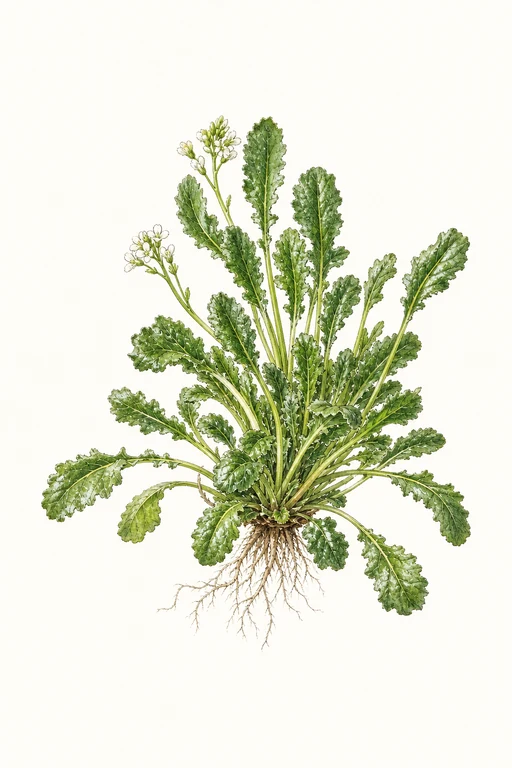
At about 35 days, it forms a neat rosette of small, finely textured leaves that feel crisp and juicy in the hand—ideal for quick, vibrant flavor throughout the season. Grow it for fresh, bold salads and as a zesty garnish that lifts sauces and spreads with its distinctive, piquant character.
Light: Part SunMaturity: 35 DaysHabit: Rosette
Planting schedules and alerts are optimized for Columbus (Zone 6b).
Crop Dates
| Milestone | Date |
|---|---|
| Start Indoors | Apr 4th |
| Last Frost | Apr 25th |
| Transplant / Sow Outdoors | Apr 25th |
| Harvest Begins | May 30th |
| Harvest Ends | Oct 16th |
Crop Details
| Trait | Value |
|---|---|
| Days to Maturity | 35 |
| Sun Requirements | Part Sun |
| Growth Habit | Rosette |
| Support Needed | None |
| Planting Depth | Normal |
| Germination Temp (°F) | 55 |
| Min Soil Temp (°F) | 45 |
| Min Night Temp (°F) | 30 |
| Harden Off (days) | 5 |
Culinary Notes

Chef's Note
Upland cress tastes like a clean, peppery cousin of watercress—small leaves, big bite—so it earns a spot where crunch matters. Use it as a last-minute addition (or blitz it into a fast emulsion) and it will stay snappy instead of wilting into bitterness.

Best Uses
- thinly pile onto composed salads where you want a quick heat-like flutter at the back of the tongue
- use as a punchy garnish for soups and hot bowls—finish off just before serving
- blend into quick herb sauces or emulsions for a sharp green kick that cuts fat
- toss into soft cheeses or spreadable ricotta as a zippy, leafy amendment

Flavor Profile

Kitchen Pairings
Frequently Asked Questions
What pest or disease problem commonly affects upland cress (Barbarea verna), and how do I treat it?
How often should I water upland cress during the main growing phase (about the first 4–5 weeks)?
How can I tell when upland cress (Barbarea verna) is ready to harvest?
Sowing Tips

Transplant Conditions
Wait until soil reaches 45°F and nights stay above 30°F before moving outdoors. Harden off for 5 days first.
Expert Note

Sow/plant in cool weather and keep consistently moist; Upland cress is more forgiving than watercress but will turn bitter if it dries out or gets too hot.