
Verde
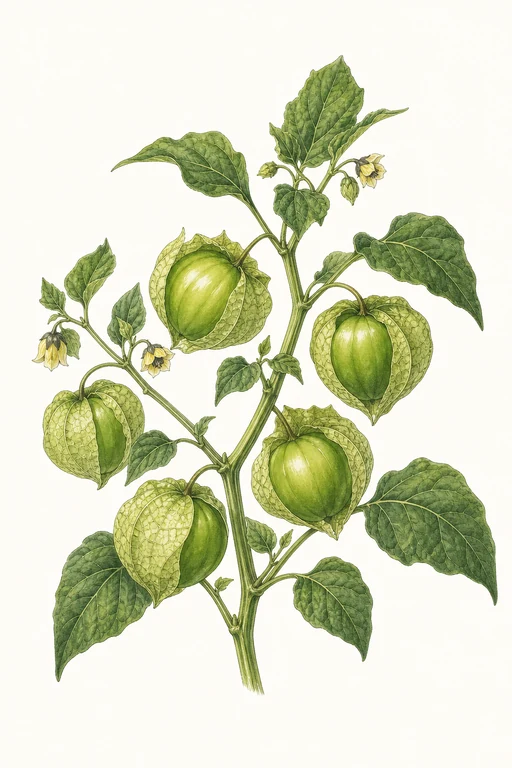
Sunlit, tangy Verde tomatillos ripen under their papery husks to a vivid, grassy-green glow—bright as a garden lantern.
The fruit’s flesh is firm and juicy with a pleasantly tart snap, making it a standout for bold salsas and zesty sauces, as well as quick pickling for a lively, green-edged bite. Grow Verde for a dependable harvest at about 75 days, with plenty of husked fruits that look as good as they taste.
Light: Full SunMaturity: 75 DaysHabit: Indeterminate
Planting schedules and alerts are optimized for Columbus (Zone 6b).
Crop Dates
| Milestone | Date |
|---|---|
| Start Indoors | Mar 7th |
| Last Frost | Apr 25th |
| Transplant / Sow Outdoors | Jun 20th |
| Harvest Begins | Sep 3rd |
| Harvest Ends | Oct 16th |
Crop Details
| Trait | Value |
|---|---|
| Days to Maturity | 75 |
| Sun Requirements | Full Sun |
| Growth Habit | Indeterminate |
| Support Needed | Stake |
| Planting Depth | Deep |
| Germination Temp (°F) | 80 |
| Min Soil Temp (°F) | 60 |
| Min Night Temp (°F) | 50 |
| Harden Off (days) | 9 |
Culinary Notes

Chef's Note
Verde tomatillos hit with a crisp, tangy snap and juicy firmness, so they behave beautifully in salsas that need to stay chunky and bright. Roast or char them, then blend—this variety keeps its lively acidity instead of going flat, which is exactly what you want for salsa verde and quick pickles.

Best Uses
- husk-on salsa verde for a fresh, chunky texture that doesn’t turn to paste
- quick pickling to keep a bright, green-edged acidity
- simmered green sauce that coats tacos and roasted meats with a tangy, slightly smoky finish
- roasting and blending for a deeper, caramel-green savor without losing zip

Flavor Profile

Frequently Asked Questions
What pests or diseases commonly affect Physalis philadelphica (tomatillo/“Verde”) and how do I manage them?
How often should I water Verde tomatillo during the main growing phase?
How can I tell when Physalis philadelphica is ready to harvest?
Sowing Tips

Transplant Conditions
Wait until soil reaches 60°F and nights stay above 50°F before moving outdoors. Harden off for 9 days first.
Expert Note

Transplant tomatillos only when soil is reliably warm (about 60°F+) and night temps stay above ~50°F to avoid cold-stunting.