
Vicia faba 'Longpod'
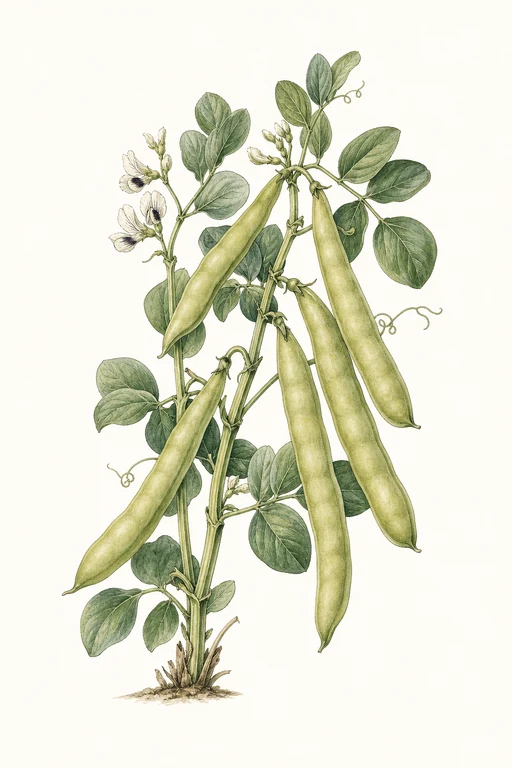
Sweetly fragrant pods hang in long, elegant lengths, their pale green skins turning softly filled and tender as they mature—an inviting promise of creamy, mellow flavor.
Vicia faba ‘Longpod’ forms substantial, elongated pods with a satisfying, meaty bite and a smooth, velvety interior that shines in fresh preparations and spoonable purées. Grow it for generous harvests at about 75 days, ideal for showcasing broad beans in salads, warm bowls, and silky sauces.
Light: Full SunMaturity: 75 DaysHabit: Upright
Planting schedules and alerts are optimized for Columbus (Zone 6b).
Crop Dates
| Milestone | Date |
|---|---|
| Start Indoors | Direct Sow |
| Last Frost | Apr 25th |
| Transplant / Sow Outdoors | Apr 25th |
| Harvest Begins | Jul 9th |
| Harvest Ends | Oct 16th |
Crop Details
| Trait | Value |
|---|---|
| Days to Maturity | 75 |
| Sun Requirements | Full Sun |
| Growth Habit | Upright |
| Support Needed | None |
| Planting Depth | Normal |
| Germination Temp (°F) | 50 |
| Min Soil Temp (°F) | 40 |
| Min Night Temp (°F) | 28 |
| Harden Off (days) | Not Required |
Culinary Notes

Chef's Note
Longpod fava is all about the transition from sweet snap to that smooth, spoonable interior—its meaty bite keeps it satisfying even when you puree some of the beans. Treat the flavor like spring produce: quick heat, lots of fat and acid, and let the beans stay green and glossy rather than overcooking into paste.

Best Uses
- pod-to-pasta style fava prep: remove beans and serve blanched and chilled in a bright salad
- warm, spoonable fava purée or pesto-style mash stirred into hot pasta
- pan-sear or stew–finish shelled beans with butter and stock until glossy and tender
- layered bowls where you want a meaty legume that holds texture, not mush

Flavor Profile

Frequently Asked Questions
What pest or disease most commonly affects fava beans (Vicia faba) and what should I do about it?
How often should I water Vicia faba during the main growing phase, and what soil moisture should I maintain?
How can I tell when ‘Longpod’ fava beans (Vicia faba) are ready to harvest?
Sowing Tips

Transplant Conditions
Wait until soil reaches 40°F and nights stay above 28°F before moving outdoors.
Expert Note

Sow fava beans in cool weather (early spring or fall), keep soil evenly moist, and avoid transplanting to prevent root disruption.