
Vigna unguiculata 'Black-eyed Pea'
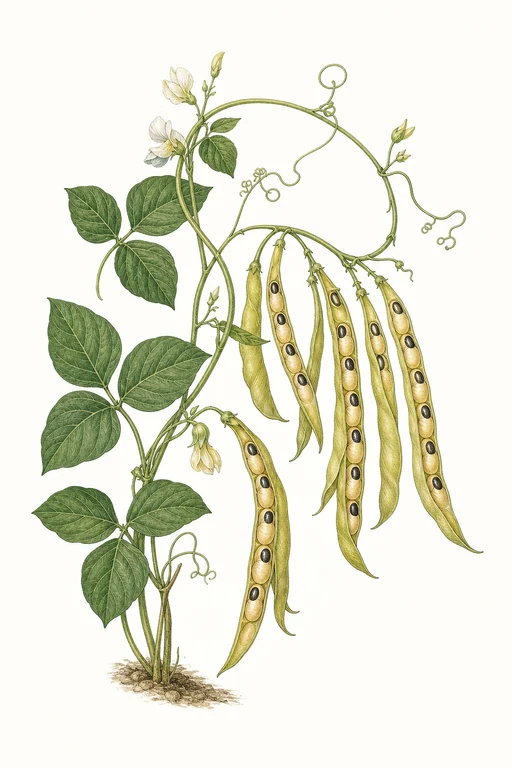
Velvety pods and richly colored beans make Vigna unguiculata ‘Black-eyed Pea’ a standout in the garden—look for smooth, deep cream to pale-tan seeds crowned with a striking, inky black “eye.” The flavor is gently sweet and savory, with a tender, creamy bite when cooked, making these cowpeas ideal for hearty potfuls, robust soups, and spoon-ready purées, as well as pickling for tangy, shelf-friendly snacking.
Light: Full SunMaturity: 70 DaysHabit: Bush
Planting schedules and alerts are optimized for Columbus (Zone 6b).
Crop Dates
| Milestone | Date |
|---|---|
| Start Indoors | Direct Sow |
| Last Frost | Apr 25th |
| Transplant / Sow Outdoors | Apr 25th |
| Harvest Begins | Jul 4th |
| Harvest Ends | Oct 16th |
Crop Details
| Trait | Value |
|---|---|
| Days to Maturity | 70 |
| Sun Requirements | Full Sun |
| Growth Habit | Bush |
| Support Needed | None |
| Planting Depth | Normal |
| Germination Temp (°F) | 75 |
| Min Soil Temp (°F) | 60 |
| Min Night Temp (°F) | 55 |
| Harden Off (days) | Not Required |
Culinary Notes

Chef's Note
Black-eyed peas cook into a soft, creamy texture with a mild sweetness that doesn’t fight heat or acid—so they hold their own in long-simmered pots and still behave under quick pickling. Aim for a gentle simmer until they’re spoon-tender; overcooking them turns them into paste instead of cream.

Best Uses
- simmered pot of cowpeas with aromatics until creamy—then spoon straight (no thickening needed)
- thick bean purée for warm bowls or as a base under braises
- pickled cowpeas for tangy, crunchy snacking and salad pops

Flavor Profile

Kitchen Pairings
Frequently Asked Questions
What pest or disease commonly affects Vicia faba (fava beans), and how can I control it?
How often should I water Vicia faba during the main growing phase to keep pods developing well?
How do I tell when Vicia faba (fava beans) are ready to harvest?
Sowing Tips

Transplant Conditions
Wait until soil reaches 60°F and nights stay above 55°F before moving outdoors.
Expert Note

Direct-sow cowpeas after soil warms to reduce seedling failure, and keep the bed weed-free until canopy closes.