
Vigna unguiculata 'Crowder'
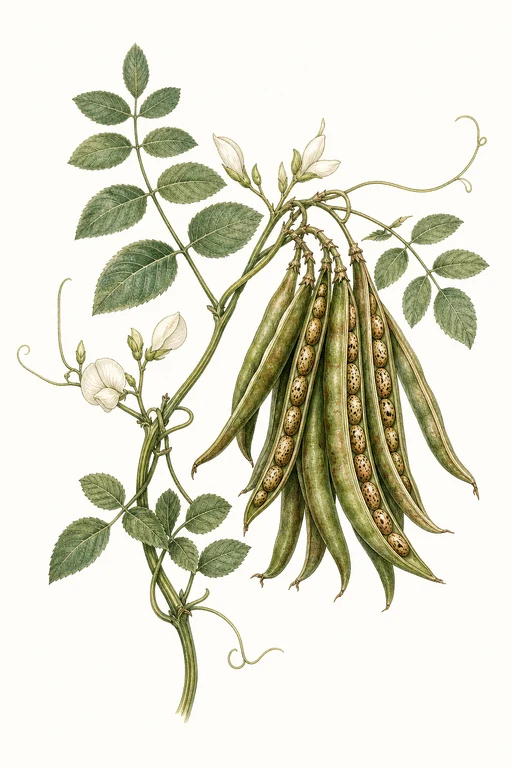
Velvety pods and richly flavored seeds—‘Crowder’ delivers a satisfying, nutty depth with a creamy, tender bite once cooked.
The harvest brings a pleasing contrast of firm, dry-cooking beans that soften beautifully, making them a favorite for hearty potfuls and slow-simmered favorites. Grow ‘Crowder’ for dependable, home-garden abundance and a pantry-worthy crop that feels as rewarding to grow as it is to savor.
Light: Full SunMaturity: 75 DaysHabit: Bush
Planting schedules and alerts are optimized for Columbus (Zone 6b).
Crop Dates
| Milestone | Date |
|---|---|
| Start Indoors | Direct Sow |
| Last Frost | Apr 25th |
| Transplant / Sow Outdoors | Apr 25th |
| Harvest Begins | Jul 9th |
| Harvest Ends | Oct 16th |
Crop Details
| Trait | Value |
|---|---|
| Days to Maturity | 75 |
| Sun Requirements | Full Sun |
| Growth Habit | Bush |
| Support Needed | None |
| Planting Depth | Normal |
| Germination Temp (°F) | 70 |
| Min Soil Temp (°F) | 60 |
| Min Night Temp (°F) | 45 |
| Harden Off (days) | Not Required |
Culinary Notes

Chef's Note
Crowder cowpeas lean into that classic dry-bean satisfaction: they soften to a creamy, velvety interior without turning to paste. If you treat them like the slow-simmering backbone they are—onion, garlic, bay, and a little acid at the end—you get spoonable comfort with a distinctly nutty finish.

Best Uses
- slow-simmered cowpea stew with a thick, almost gravy-like broth
- dry-cooking style beans for potlikker and spoon-thick soups
- pan-cooked cowpeas in a skillet to keep their creamy interior intact
- seasoned bean sides—mash lightly, then fold into warm vinaigrette or mayo for a bean salad

Flavor Profile

Frequently Asked Questions
What disease should I watch for on Vicia faba (fava beans), and how do I manage it at home?
How often should I water Vicia faba during the main growing phase?
How can I tell when Vicia faba (‘Crowder’) is ready to harvest?
Sowing Tips

Transplant Conditions
Wait until soil reaches 60°F and nights stay above 45°F before moving outdoors.
Expert Note

For best flavor and nodulation, sow cowpeas directly after the soil warms and keep disturbance minimal so the taproot and root nodules aren’t damaged.