
Vigorous Borlotto
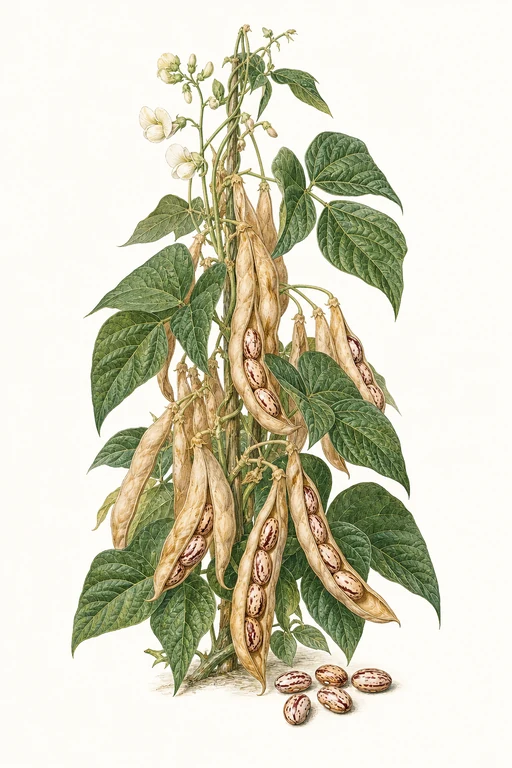
Warm, sun-burnished pods give way to Vigorous Borlotto’s richly patterned dry beans—cream to pale buff with bold, painterly russet streaks that look almost lit from within.
Expect a firm, hearty texture once rehydrated, with a gently nutty, earthy flavor that holds its shape beautifully for satisfying potfuls and slow-simmered classics. Vigorous Borlotto is a dependable choice for home gardeners who want abundant, market-ready dry seed from a vigorous, productive stand.
Light: Full SunMaturity: 95 DaysHabit: Bush
Crop Dates : 8a
| Milestone | Date |
|---|---|
| Start Indoors | Direct Sow |
| Last Frost | Apr 1st |
| Transplant / Sow Outdoors | Apr 1st |
| Harvest Begins | Jul 5th |
| Harvest Ends | Nov 5th |
Crop Details
| Trait | Value |
|---|---|
| Days to Maturity | 95 |
| Sun Requirements | Full Sun |
| Growth Habit | Bush |
| Support Needed | None |
| Planting Depth | Normal |
| Germination Temp (°F) | 70 |
| Min Soil Temp (°F) | 60 |
| Min Night Temp (°F) | 50 |
| Harden Off (days) | Not Required |
Culinary Notes

Chef's Note
Vigorous Borlotto gives you that classic dry-bean satisfaction: a hearty, shape-holding texture with a nutty, earthy finish that stands up to long simmering. It’s the kind of bean that turns a humble pot into something spoon-thick—especially when you build the base with onion, garlic, and a little smoked fat.

Best Uses
- slow-simmered bean stew with aromatics
- thick bean ragù or braise base for pasta
- potfuls of beans finished with a glossy olive-oil dressing
- soup where the beans hold their shape instead of collapsing

Flavor Profile

Frequently Asked Questions
What pest or disease most commonly affects Phaseolus vulgaris (Borlotto/Firetongue beans), and how do I control it?
How often should I water Phaseolus vulgaris during the main growing phase (after flowering), to keep pods developing well?
How can I tell when Borlotto Firetongue bush/bean pods (Phaseolus vulgaris) are ready to harvest?
Sowing Tips

Transplant Conditions
Wait until soil reaches 60°F and nights stay above 50°F before moving outdoors.
Expert Note

For best yields, sow after soil warms and keep moisture steady until seedlings emerge, then water less once pods set to encourage bean filling.