
Violetto
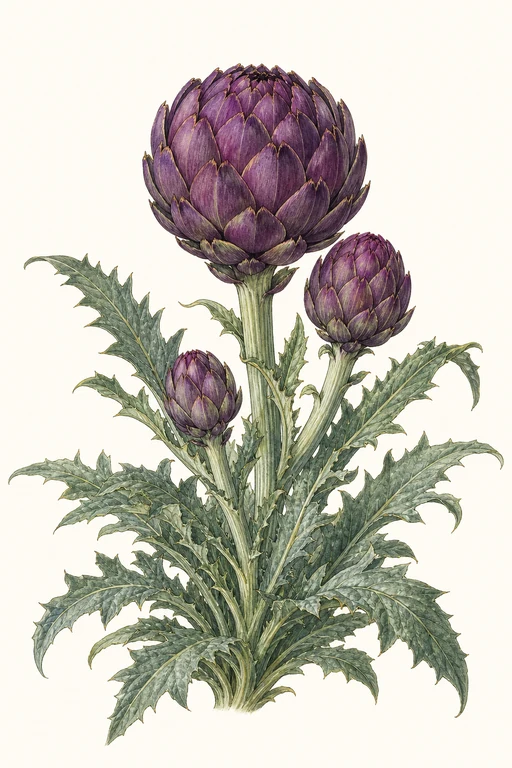
Velvety violet bracts unfurl in slow, regal spirals, carrying a deep, earthy sweetness with a gentle bitterness that lingers pleasantly on the palate.
Violetto forms large, tightly packed artichoke heads with a meaty, tender heart and crisp, succulent outer layers—ideal for roasting until the edges turn richly caramelized, or for steaming and savoring at their peak. Grow Violetto for show-stopping blooms and a harvest that feels as luxurious as it looks, from first bud to full, stately maturity.
Light: Full SunMaturity: 80 DaysHabit: Perennial_Crown
Planting schedules and alerts are optimized for Columbus (Zone 6b).
Crop Dates
| Milestone | Date |
|---|---|
| Start Indoors | Direct Sow |
| Last Frost | Apr 25th |
| Transplant / Sow Outdoors | Apr 25th |
| Harvest Begins | Jul 14th |
| Harvest Ends | Oct 16th |
Crop Details
| Trait | Value |
|---|---|
| Days to Maturity | 80 |
| Sun Requirements | Full Sun |
| Growth Habit | Perennial_Crown |
| Support Needed | None |
| Planting Depth | Normal |
| Germination Temp (°F) | 70 |
| Min Soil Temp (°F) | 45 |
| Min Night Temp (°F) | 40 |
| Harden Off (days) | 10 |
Culinary Notes

Chef's Note
Violetto’s violet-tinted bracts and meaty heart carry a sweet-earth core with a gentle, persistent bitterness—exactly what needs fat and bright acid to feel luxurious, not harsh. Roast it hard for caramelized leaf edges or steam it clean, then finish with lemon and butter so every leaf pull tastes intentional.

Best Uses
- steam and eat with melted butter (or browned butter) to highlight the bract-sweetness
- roast/char the whole head until the outer leaves caramelize at the edges
- slow-braise the trimmed hearts for a silkier, wine-and-fat style sauce
- braise or grill cut bottoms for a smoky, nutty finish

Flavor Profile

Kitchen Pairings
Frequently Asked Questions
What pest or disease most commonly affects Cynara cardunculus (globe artichoke/violetto), and how do I stop it?
How often should I water violetto during the main growing phase (after establishment)?
How can I tell when violetto is ready to harvest (Cynara cardunculus var. scolymus)?
Sowing Tips

Transplant Conditions
Wait until soil reaches 45°F and nights stay above 40°F before moving outdoors. Harden off for 10 days first.
Expert Note

For Violetto, start well ahead only if you’ll overwinter successfully; otherwise grow as a “first-year” crop only in mild-winter areas because artichokes are frost-sensitive while establishing.