
White Boston
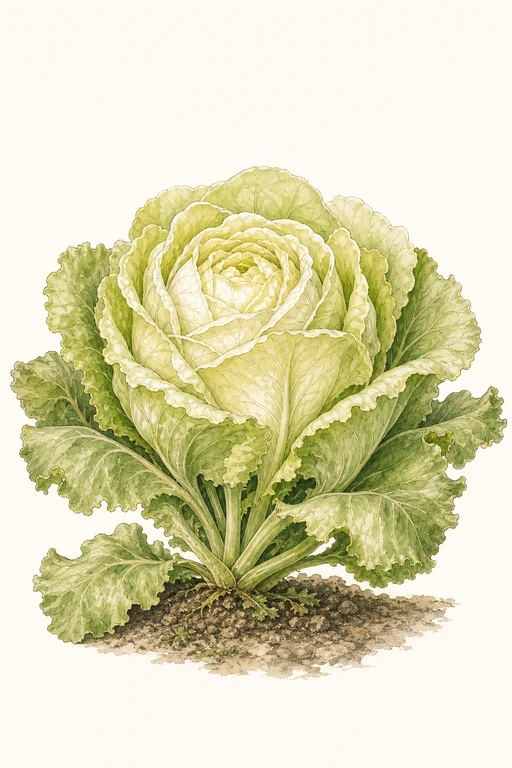
Crisp at first touch, White Boston forms a lush, pale-green butterhead that feels velvety and cool against the palate—its tender leaves fold into a softly layered rosette.
Mild, sweet flavor with a buttery texture makes it a standout for fresh salads and elegant sandwich-style gatherings, while its gentle leaves also shine in light, quick tosses and refreshing pickled accents. With about 55 days to maturity, it’s a satisfying cool-season choice for gardeners who love a classic, garden-fresh head that stays pleasantly tender.
Light: Part SunMaturity: 55 DaysHabit: Rosette
Crop Dates : 9b
| Milestone | Date |
|---|---|
| Start Indoors | Jan 12th |
| Last Frost | Feb 9th |
| Transplant / Sow Outdoors | Feb 2nd |
| Harvest Begins | Mar 29th |
| Harvest Ends | Dec 9th |
Crop Details
| Trait | Value |
|---|---|
| Days to Maturity | 55 |
| Sun Requirements | Part Sun |
| Growth Habit | Rosette |
| Support Needed | None |
| Planting Depth | Surface |
| Germination Temp (°F) | 40 |
| Min Soil Temp (°F) | 40 |
| Min Night Temp (°F) | 32 |
| Harden Off (days) | 5 |
Culinary Notes

Chef's Note
White Boston’s butterhead softness and mild sweetness make it a dream for cold, clean flavors—dress it lightly and it stays elegant, not soggy. It’s also sturdy enough for stacked sandwich duty, where its gentle crunch won’t immediately go limp under weight and moisture.

Best Uses
- ice-cold salad base that holds vinaigrette without turning watery
- butter-slick sandwich lettuce—layer it thickly so it doesn’t collapse into bread
- quick tosses with warm elements, using minimal heat to keep the leaves supple
- light pickling accents where the mildness stays pleasant rather than sharp

Flavor Profile

Kitchen Pairings
Frequently Asked Questions
What pest or disease most often affects Lactuca sativa (White Boston lettuce), and how do I control it?
How frequently should I water White Boston lettuce during peak growth, and what soil moisture level should I maintain?
How can I tell when White Boston lettuce (Lactuca sativa) is ready to harvest?
Sowing Tips

Transplant Conditions
Wait until soil reaches 40°F and nights stay above 32°F before moving outdoors. Harden off for 5 days first.
Expert Note

For tender heads, keep soil evenly moist and avoid heat—shade or harvest earlier during warm spells.