
White Chard
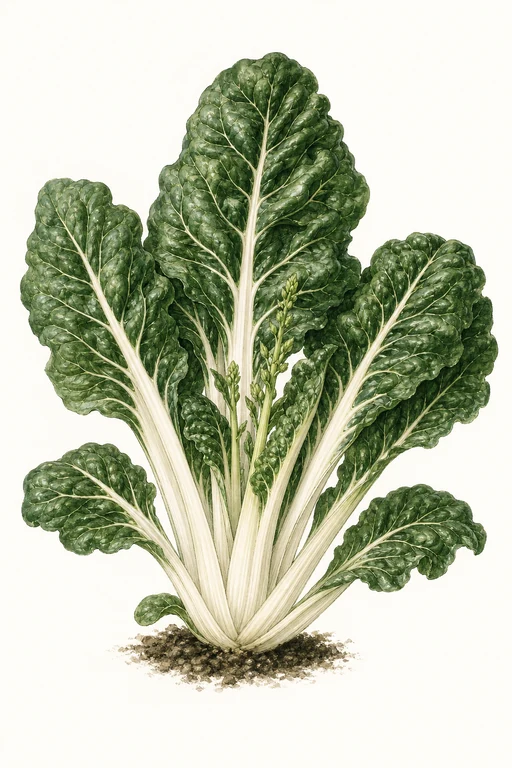
Crisp, luminous ribs in creamy white rise from a lush rosette, carrying a mild, clean flavor that stays sweet and tender even as the leaves mature.
White Chard forms sturdy, upright stems with a pleasantly succulent bite and broad, velvety leaf blades—ideal for steaming, sautéing, and silky sauces, or for quick pickling when you want bright, tangy color on the plate. Grow White Chard for dependable harvests in about 55 days, with a refined look that turns everyday greens into a centerpiece.
Light: Part SunMaturity: 55 DaysHabit: Rosette
Planting schedules and alerts are optimized for Columbus (Zone 6b).
Crop Dates
| Milestone | Date |
|---|---|
| Start Indoors | Mar 28th |
| Last Frost | Apr 25th |
| Transplant / Sow Outdoors | Apr 25th |
| Harvest Begins | Jun 19th |
| Harvest Ends | Oct 16th |
Crop Details
| Trait | Value |
|---|---|
| Days to Maturity | 55 |
| Sun Requirements | Part Sun |
| Growth Habit | Rosette |
| Support Needed | None |
| Planting Depth | Normal |
| Germination Temp (°F) | 55 |
| Min Soil Temp (°F) | 40 |
| Min Night Temp (°F) | 30 |
| Harden Off (days) | 6 |
Culinary Notes

Chef's Note
White chard’s creamy ribs cook up glossy and sweet without going bitter, so you get structure even when the leaves collapse. Use the stems as the timeline—get them tender-crisp first—then finish with lemony fat so the whole plate tastes clean, not heavy.

Best Uses
- quick sautéed ribbons—cook ribs first, then fold in leaves for a clean snap
- steamed-and-finished greens with butter and a squeeze of lemon
- silky chard sauce by blending cooked ribs/leaves into a loose, spoonable coating
- quick tangy pickling of sliced ribs for bright, crunchy contrast

Flavor Profile

Kitchen Pairings
Frequently Asked Questions
What pest or disease most commonly affects white chard (Beta vulgaris var. cicla), and how can I prevent/control it?
How often should I water white chard during the main growing phase, and what soil moisture level should I aim for?
How can I tell when white chard is ready to harvest, and how should I harvest it?
Sowing Tips

Transplant Conditions
Wait until soil reaches 40°F and nights stay above 30°F before moving outdoors. Harden off for 6 days first.
Expert Note

For sweet, tender leaves, keep soil evenly moist and transplant only when nights are reliably above the upper-20s to prevent bolting in cool stress.