
White Leaf
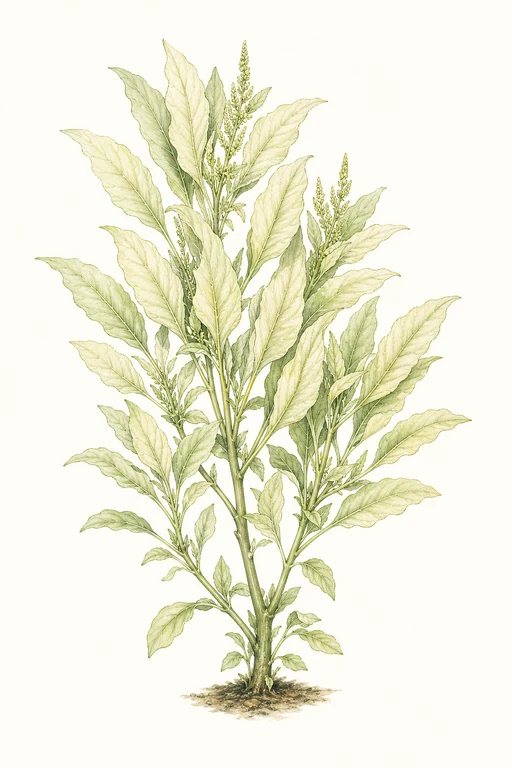
Dewy, tender leaves unfurl in a soft cascade of pale green to creamy white—delicate in feel yet boldly flavorful, with a gentle, earthy sweetness and a clean, leafy snap.
“White Leaf” grows quickly to a lush, upright harvest in about 35 days, producing abundant foliage with a fine, velvety texture that stays pleasantly crisp. Ideal for fresh salads and quick sauté-style skillet meals, it also shines in vibrant greens blends and hearty soups for a bright, mild amaranth character.
Light: Full SunMaturity: 35 DaysHabit: Upright
Planting schedules and alerts are optimized for Columbus (Zone 6b).
Crop Dates
| Milestone | Date |
|---|---|
| Start Indoors | Direct Sow |
| Last Frost | Apr 25th |
| Transplant / Sow Outdoors | Apr 25th |
| Harvest Begins | May 30th |
| Harvest Ends | Oct 16th |
Crop Details
| Trait | Value |
|---|---|
| Days to Maturity | 35 |
| Sun Requirements | Full Sun |
| Growth Habit | Upright |
| Support Needed | None |
| Planting Depth | Normal |
| Germination Temp (°F) | 70 |
| Min Soil Temp (°F) | 60 |
| Min Night Temp (°F) | 45 |
| Harden Off (days) | Not Required |
Culinary Notes

Chef's Note
White Leaf amaranth is tender but not delicate-to-the-point-of-mush—its fine, velvety texture holds up when you hit it with heat for just long enough to wilt while keeping a leafy bite. Choose it when you want a bright, mildly sweet green that behaves well both raw and in a fast, last-minute steam/sauté.

Best Uses
- tossed salads where it keeps crunch under vinaigrette
- quick skillet sauté—wilt fast, keep stems crisp
- bright greens blends for salads or wraps
- stir-in soups and broths at the end for fresh color

Flavor Profile

Frequently Asked Questions
What pests or diseases commonly affect Amaranthus viridis (white leaf), and how can I control them at home?
How often should I water Amaranthus viridis during its main growing phase to keep leaves tender?
How do I know when Amaranthus viridis (white leaf) is ready to harvest?
Sowing Tips

Transplant Conditions
Wait until soil reaches 60°F and nights stay above 45°F before moving outdoors.
Expert Note

For best tenderness, harvest small—amaranth leaves become tougher as they mature and heat intensifies.