
White Mugwort
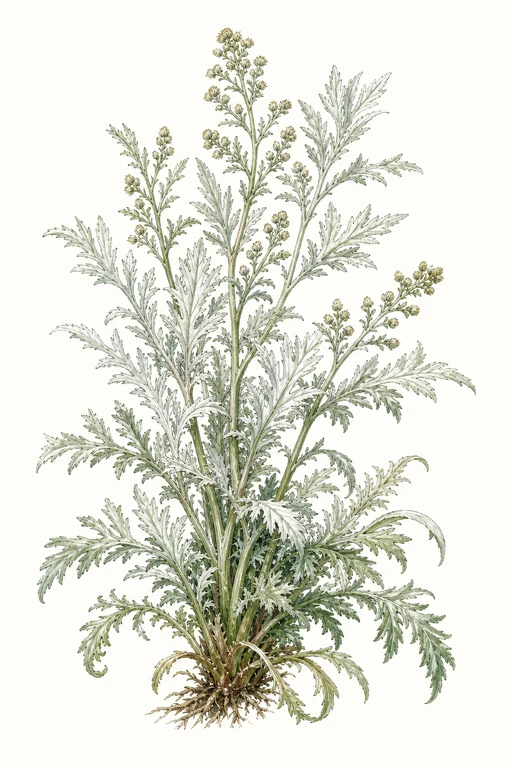
Silvery, moonlit foliage leads the senses—White Mugwort forms soft, aromatic plumes of white-tinted leaves that feel velvety to the eye and release a clean, herbal fragrance when brushed.
At maturity, the upright clumps offer a refined texture that makes a striking, long-lived garden accent, with a gentle, resinous character suited to drying and herbal blends. Grow it for a dependable perennial that returns year after year, bringing airy color and unmistakable mugwort presence to your herb garden.
Light: Full SunMaturity: 90 DaysHabit: Upright
Planting schedules and alerts are optimized for Columbus (Zone 6b).
Crop Dates
| Milestone | Date |
|---|---|
| Start Indoors | Mar 28th |
| Last Frost | Apr 25th |
| Transplant / Sow Outdoors | Apr 25th |
| Harvest Begins | Jul 24th |
| Harvest Ends | Oct 16th |
Crop Details
| Trait | Value |
|---|---|
| Days to Maturity | 90 |
| Sun Requirements | Full Sun |
| Growth Habit | Upright |
| Support Needed | None |
| Planting Depth | Normal |
| Germination Temp (°F) | 65 |
| Min Soil Temp (°F) | 45 |
| Min Night Temp (°F) | 35 |
| Harden Off (days) | 7 |
Culinary Notes

Chef's Note
White mugwort reads like the gentler cousin of wormwood—aromatic and quietly bitter, but it demands restraint so it doesn’t turn medicinal. Use it dried or in brief infusions where its resinous note can bloom without overwhelming the plate.

Best Uses
- small-batch herbal tea (steep lightly; don’t overdo)
- dried mugwort for bitter herbal blends and smoking mixes
- minced-leaf rubs for fatty proteins (use sparingly)
- infusions for vinegar or tincture-style culinary flavoring

Flavor Profile

Kitchen Pairings
Frequently Asked Questions
What pest or disease problem commonly affects Artemisia vulgaris (white mugwort), and how can I manage it at home?
How often should I water Artemisia vulgaris during its main growing phase?
How can I tell when white mugwort (Artemisia vulgaris) is ready to harvest?
Sowing Tips

Transplant Conditions
Wait until soil reaches 45°F and nights stay above 35°F before moving outdoors. Harden off for 7 days first.
Expert Note

For mugwort, start seeds early but keep seedlings moderately cool and hardened off well to avoid weak, spindly growth; thin to strong plants once established.