
White Plume
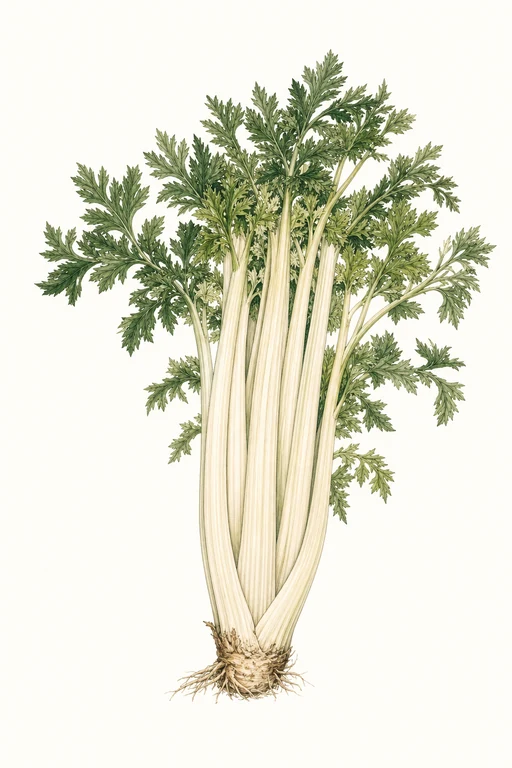
Crisp, cool stalks rise like pale plumes—White Plume celery delivers a clean, delicate celery sweetness with a tender, juicy crunch and a fine, stringless bite.
Ideal for refreshing salads and bright garnishes, its blanched-looking light color and refined texture make it a standout in spring-to-fall beds. Grow it for long, elegant stalks that hold their crispness beautifully for fresh use and for silky sauces that benefit from its gentle flavor.
Light: Part SunMaturity: 85 DaysHabit: Upright
Crop Dates : 9a
| Milestone | Date |
|---|---|
| Start Indoors | Jan 9th |
| Last Frost | Mar 6th |
| Transplant / Sow Outdoors | Feb 27th |
| Harvest Begins | May 23rd |
| Harvest Ends | Nov 26th |
Crop Details
| Trait | Value |
|---|---|
| Days to Maturity | 85 |
| Sun Requirements | Part Sun |
| Growth Habit | Upright |
| Support Needed | None |
| Planting Depth | Normal |
| Germination Temp (°F) | 70 |
| Min Soil Temp (°F) | 40 |
| Min Night Temp (°F) | 35 |
| Harden Off (days) | 7 |
Culinary Notes

Chef's Note
White Plume celery is all about that cool, juicy snap—stringless and refined enough to eat raw without grit or chew. Use it shaved or batoned under acid and fat (lemon, butter, cheese) so it stays crisp and fragrant instead of turning rubbery.

Best Uses
- ice-cold crudités and shaved celery salads where the crunch must hold
- refreshing juice or smoothie base with other mild greens
- quick-pickled batons for tangy snappy texture
- silky stock or broth where celery adds aroma without overpowering

Flavor Profile

Frequently Asked Questions
Why are my celery plants (Apium graveolens var. dulce) getting brown, slimy spots or blackened stems, and what should I do?
How often should I water sweet celery during the main growing phase, and how moist should the soil stay?
How can I tell when white plume sweet celery is ready to harvest at about 85 days?
Sowing Tips

Transplant Conditions
Wait until soil reaches 40°F and nights stay above 35°F before moving outdoors. Harden off for 7 days first.
Expert Note

Because it self-blanches, avoid hilling and instead keep plants evenly watered and shaded with row cover if nights turn cool.