
White Stem
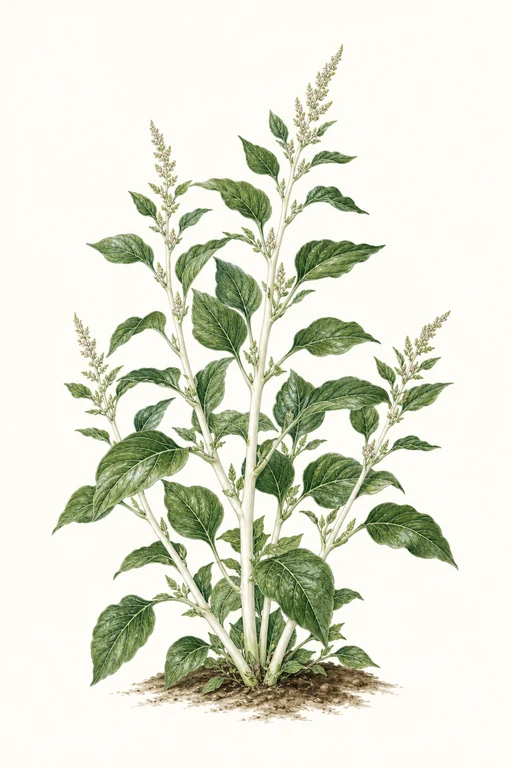
Tender, luminous leaves emerge on crisp, pale stems—an airy, fresh-green flush that feels almost silken to the eye.
White Stem amaranth forms an upright, branching clump with succulent foliage and a clean, mild flavor that shines in quick sautés, soups, and hearty stir-fries, or as a vibrant addition to salads when young. Grow it for a steady harvest window: snip often for new growth, and enjoy the way its light stems keep the plant looking bright and garden-fresh through warm-season days.
Light: Full SunMaturity: 35 DaysHabit: Upright
Planting schedules and alerts are optimized for Columbus (Zone 6b).
Crop Dates
| Milestone | Date |
|---|---|
| Start Indoors | Direct Sow |
| Last Frost | Apr 25th |
| Transplant / Sow Outdoors | Apr 25th |
| Harvest Begins | May 30th |
| Harvest Ends | Oct 16th |
Crop Details
| Trait | Value |
|---|---|
| Days to Maturity | 35 |
| Sun Requirements | Full Sun |
| Growth Habit | Upright |
| Support Needed | None |
| Planting Depth | Normal |
| Germination Temp (°F) | 75 |
| Min Soil Temp (°F) | 60 |
| Min Night Temp (°F) | 55 |
| Harden Off (days) | Not Required |
Culinary Notes

Chef's Note
White Stem amaranth is the kind of leafy that behaves—succulent leaves and a stem that still has bite, even when you cook it fast. Keep it bright with citrus, soy, sesame, and heat; it won’t taste harsh or muddy like tougher greens.

Best Uses
- quick sauté with high heat so the leaves stay juicy and the stems snap
- brothy soups where it stays bright and doesn’t collapse
- hearty stir-fries for a fresh-green counterpoint to rich sauces
- young-leaf salads to add a silken crunch and “fresh-cut” brightness

Flavor Profile

Kitchen Pairings
Frequently Asked Questions
What pest or disease commonly affects Amaranthus viridis (white stem) and how can I control it?
How often should I water white stem amaranth (Amaranthus viridis) during the main growing phase?
How do I know when Amaranthus viridis (white stem) is ready to harvest?
Sowing Tips

Transplant Conditions
Wait until soil reaches 60°F and nights stay above 55°F before moving outdoors.
Expert Note

For best stem color and tender leaves, keep soil evenly moist and harvest young (small leaves) before plants get woody.