
Winter Bloomsdale
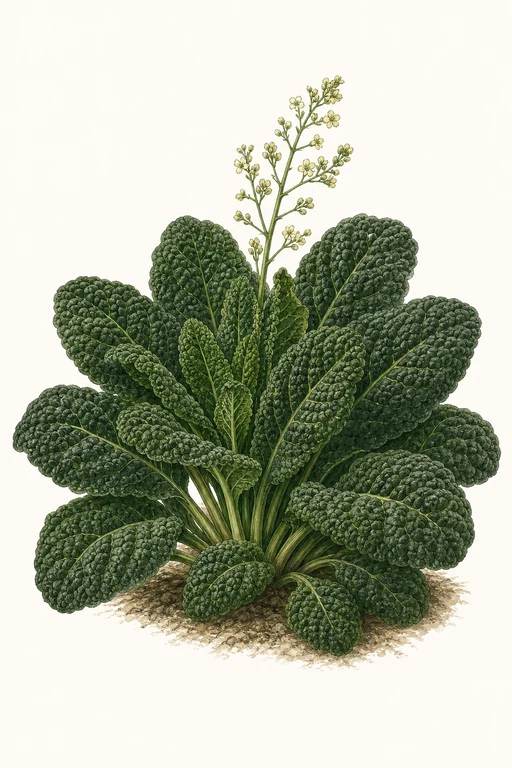
Winter Bloomsdale spinach brings a velvety, savoyed leaf texture that feels almost plush to the eye—deep green and richly crinkled, with a clean, sweet spinach flavor that holds its charm in cool weather.
At about 40 days, plants form sturdy rosettes of tender leaves that stay flavorful without turning tough, making them a reliable winter favorite. Grow Winter Bloomsdale for fresh salads when the season is crisp, and for hearty greens in sauces and braises when you want a dependable, garden-fresh green.
Light: Part SunMaturity: 40 DaysHabit: Rosette
Crop Dates : 6a
| Milestone | Date |
|---|---|
| Start Indoors | Direct Sow |
| Last Frost | May 1st |
| Transplant / Sow Outdoors | Apr 17th |
| Harvest Begins | May 27th |
| Harvest Ends | Oct 10th |
Crop Details
| Trait | Value |
|---|---|
| Days to Maturity | 40 |
| Sun Requirements | Part Sun |
| Growth Habit | Rosette |
| Support Needed | None |
| Planting Depth | Normal |
| Germination Temp (°F) | 45 |
| Min Soil Temp (°F) | 40 |
| Min Night Temp (°F) | 30 |
| Harden Off (days) | 6 |
Culinary Notes

Chef's Note
Winter Bloomsdale’s crinkled, plush leaves wilt fast but stay tender, so you get that silky mouthfeel without turning chalky or stringy. It’s sweet and clean even in cold weather, making it ideal for quick heat—think butter-lemon wilt or a creamy dairy sauce that coats the leaf evenly.

Best Uses
- quick-tossed warm salads where the leaves stay tender
- wilted spinach with butter and a squeeze of lemon
- blend into a smooth, silk-thick pasta or gnocchi sauce
- braised greens as a base under rich meats, beans, or eggs

Flavor Profile

Kitchen Pairings
Frequently Asked Questions
What’s the most common disease in Spinacia oleracea (winter spinach) and how can I prevent it?
How often should I water Winter Bloomsdale spinach during the main growth period?
How do I tell when Spinacia oleracea is ready to harvest?
Sowing Tips

Transplant Conditions
Wait until soil reaches 40°F and nights stay above 30°F before moving outdoors. Harden off for 6 days first.
Expert Note

For best flavor, grow Savoy spinach in cool weather and avoid heat—harvest before it starts to bolt.