
Winter Savory
Winter Savory opens with a crisp, piney-resin fragrance and a peppery, savory bite that lingers like warm stone after rain.
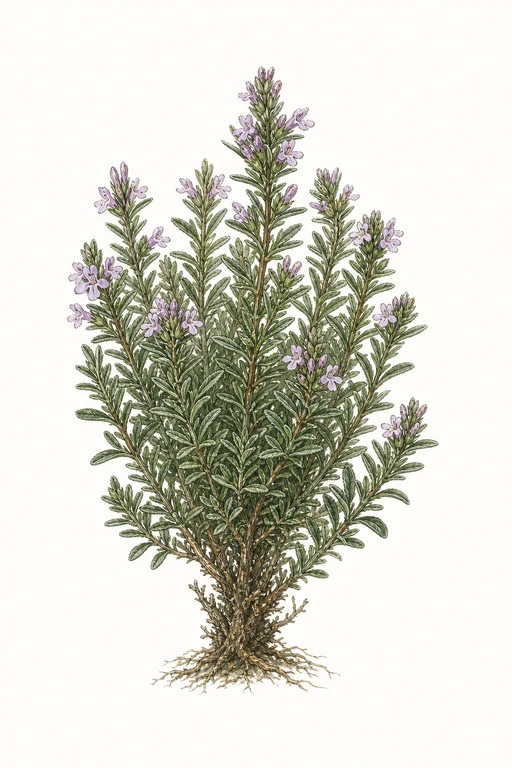
Its narrow, evergreen leaves hold a fine, slightly leathery texture, making the plant feel substantial in the garden while remaining wonderfully aromatic at harvest. Grow Winter Savory for bold flavoring in herb blends, hearty sauces, and slow-simmered dishes—an enduring perennial that keeps seasoning your seasons long after annuals fade.
Light: Full SunMaturity: 60 DaysHabit: Upright
Planting schedules and alerts are optimized for Columbus (Zone 6b).
Crop Dates
| Milestone | Date |
|---|---|
| Start Indoors | Mar 14th |
| Last Frost | Apr 25th |
| Transplant / Sow Outdoors | Apr 25th |
| Harvest Begins | Jun 24th |
| Harvest Ends | Oct 16th |
Crop Details
| Trait | Value |
|---|---|
| Days to Maturity | 60 |
| Sun Requirements | Full Sun |
| Growth Habit | Upright |
| Support Needed | None |
| Planting Depth | Normal |
| Germination Temp (°F) | 70 |
| Min Soil Temp (°F) | 50 |
| Min Night Temp (°F) | 35 |
| Harden Off (days) | 7 |
Culinary Notes

Chef's Note
Winter Savory’s piney-resin and peppery linger show best in long, gentle cooking—think braises and stock where the aroma rounds out instead of turning sharp. Use it deliberately (chopped fine or steeped) because its leathery leaves carry flavor like a small baton: intense, then cleanly gone.

Best Uses
- stir into butter or oil and use as a fast pan sauce for mushrooms, beans, or roasted roots
- fine-chop for slow-simmered stews and braises where its resinous note stays upright
- fold into herb blends for sausages, stuffing, and poultry brines
- steep into broth/stock for a clear, fragrant seasoning base

Flavor Profile

Kitchen Pairings
Frequently Asked Questions
What pest or disease problem commonly affects Satureja montana (winter savory), and how can I treat it?
How often should I water winter savory during its main growing phase?
How can I tell when winter savory is ready to harvest?
Sowing Tips

Transplant Conditions
Wait until soil reaches 50°F and nights stay above 35°F before moving outdoors. Harden off for 7 days first.
Expert Note

Start indoors early for a strong first-year plant, but in colder areas grow winter savory as an established perennial with a thick mulch for winter protection.