
Winter
Winter Savory opens with a brisk, piney-herbal fragrance that lingers on the fingertips—then delivers a peppery, savory bite with a clean, warming finish.
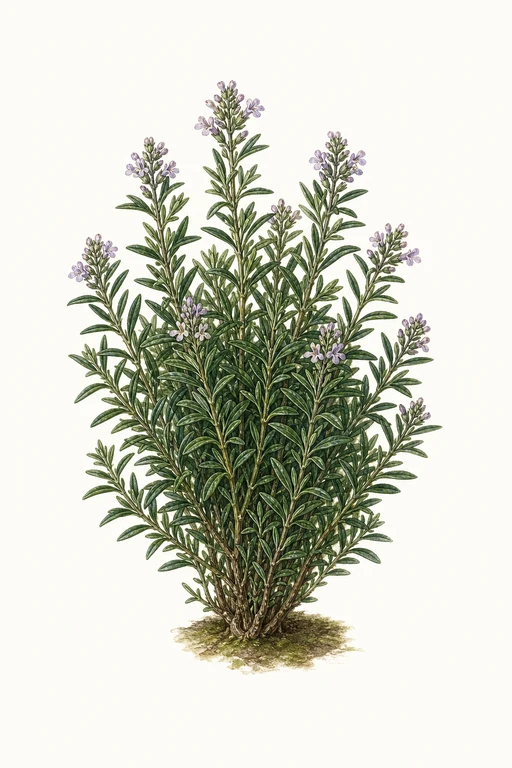
Its narrow, evergreen leaves form a dense, upright clump of aromatic foliage, tender enough for fresh use yet robust when dried. Grow Winter Savory for fragrant sprigs to perfume hearty dishes, to stir into sauces, and to dry for pantry-ready flavor throughout the cold season.
Light: Full SunMaturity: 60 DaysHabit: Upright
Planting schedules and alerts are optimized for Columbus (Zone 6b).
Crop Dates
| Milestone | Date |
|---|---|
| Start Indoors | Direct Sow |
| Last Frost | Apr 25th |
| Transplant / Sow Outdoors | Apr 25th |
| Harvest Begins | Jun 24th |
| Harvest Ends | Oct 16th |
Crop Details
| Trait | Value |
|---|---|
| Days to Maturity | 60 |
| Sun Requirements | Full Sun |
| Growth Habit | Upright |
| Support Needed | None |
| Planting Depth | Normal |
| Germination Temp (°F) | 70 |
| Min Soil Temp (°F) | 40 |
| Min Night Temp (°F) | 28 |
| Harden Off (days) | 7 |
Culinary Notes

Chef's Note
Winter Savory is the kind of herb that tastes like a warm, peppered branch—its resinous pine edge stays crisp in the mouth and lifts heavy food instead of muddying it. Use it early for perfume or late for that clean, warming bite, and it dries beautifully into a steady winter flavor.

Best Uses
- chopping into slow-simmered sauces and braises where the peppery note blooms
- stirring into beans and lentils at the end of cooking for a sharp, savory lift
- using fresh sprigs as a final aromatic in roasts and stews
- drying and crumbling into winter pantry mixes to perfume soups and stocks

Flavor Profile

Kitchen Pairings
Frequently Asked Questions
What pest or disease commonly affects Satureja montana (winter savory), and how can I treat it?
How often should I water Satureja montana during its main growing phase?
How do I know when Satureja montana is ready to harvest?
Sowing Tips

Transplant Conditions
Wait until soil reaches 40°F and nights stay above 28°F before moving outdoors. Harden off for 7 days first.
Expert Note

Perennial savory establishes slowly—grow a sturdy first-year plant, then harvest lightly the first season and more heavily once it’s well rooted.