
Winterbor
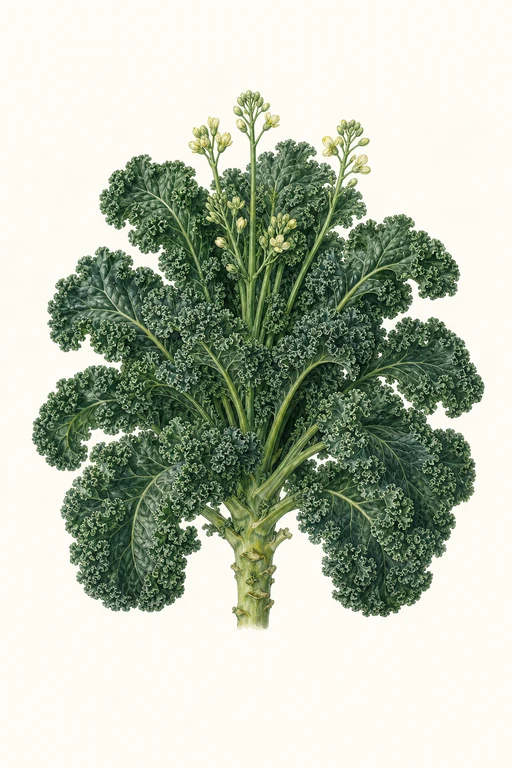
Winterbor kale arrives with a crisp, cool-weather sweetness—frilled leaves that feel sturdy yet tender, with a deep green color that holds beautifully through the season.
Its tight, curly rosettes develop a satisfying texture that stays pleasantly bitey, making it a standout for hearty greens in the garden. Grow Winterbor for reliable, long-lasting harvests and a bold, savory leaf that shines in braises, sautés, and robust greens blends, as well as in fresh salads when young leaves are selected.
Light: Full SunMaturity: 60 DaysHabit: Rosette
Planting schedules and alerts are optimized for Columbus (Zone 6b).
Crop Dates
| Milestone | Date |
|---|---|
| Start Indoors | Mar 21st |
| Last Frost | Apr 25th |
| Transplant / Sow Outdoors | Apr 18th |
| Harvest Begins | Jun 17th |
| Harvest Ends | Oct 16th |
Crop Details
| Trait | Value |
|---|---|
| Days to Maturity | 60 |
| Sun Requirements | Full Sun |
| Growth Habit | Rosette |
| Support Needed | None |
| Planting Depth | Normal |
| Germination Temp (°F) | 40 |
| Min Soil Temp (°F) | 40 |
| Min Night Temp (°F) | 28 |
| Harden Off (days) | 6 |
Culinary Notes

Chef's Note
Winterbor’s tightly curled leaves stay pleasantly bitey even as the outside softens, so it won’t turn to mush in a pan or pot. Use it when you want that classic kale personality—peppery, slightly bitter, and cool-sweet—cut by sharp lemon, cheese, and fat.

Best Uses
- massaging young leaves with olive oil and lemon to keep the frill snappy
- quick sautéing with a splash of water/stock to steam-tender the center without going limp
- braising into silky wilted greens where the curly texture holds shape
- folding chopped leaves into hearty soups and beans for a springy, not-collapsed mouthfeel

Flavor Profile

Kitchen Pairings
Frequently Asked Questions
What’s the most common problem for winterbor (Brassica oleracea var. viridis) and how do I treat it?
How often should I water winterbor during its main growing phase (around days 20–50)?
How can I tell when winterbor is ready to harvest?
Sowing Tips

Transplant Conditions
Wait until soil reaches 40°F and nights stay above 28°F before moving outdoors. Harden off for 6 days first.
Expert Note

For the sweetest winter flavor, keep kale growing steadily in cool weather and let it finish with a couple hard frosts.