
Yellow Finn
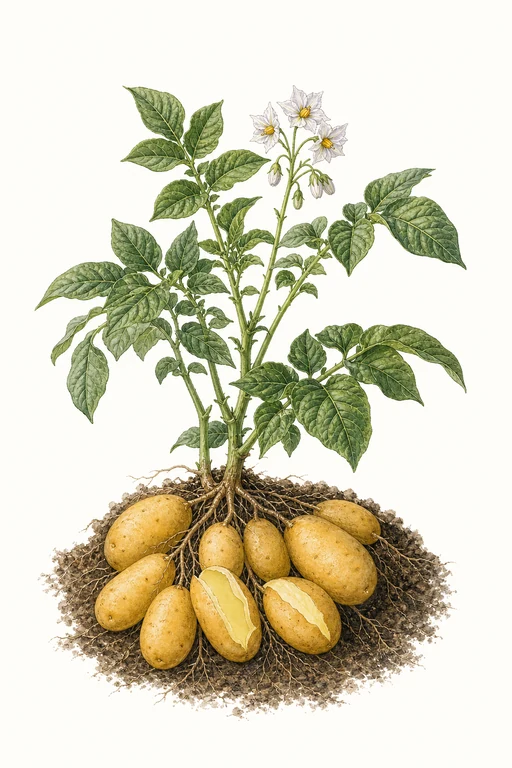
Sunlit and smooth, Yellow Finn potatoes bring a warm, golden glow to the garden and the pan—creamy flesh under a thin, even yellow skin.
Expect a tender, fine-grained texture with a gently buttery flavor that shines when roasted to crisp edges or boiled for velvety mash. A dependable 90-day performer, it’s a market-class yellow that gardeners love for its consistent shape and reliable harvest.
Light: Full SunMaturity: 90 DaysHabit: Clumping
Crop Dates : 7b
| Milestone | Date |
|---|---|
| Start Indoors | Direct Sow |
| Last Frost | Apr 10th |
| Transplant / Sow Outdoors | Apr 10th |
| Harvest Begins | Jul 9th |
| Harvest Ends | Oct 28th |
Crop Details
| Trait | Value |
|---|---|
| Days to Maturity | 90 |
| Sun Requirements | Full Sun |
| Growth Habit | Clumping |
| Support Needed | None |
| Planting Depth | Normal |
| Germination Temp (°F) | 50 |
| Min Soil Temp (°F) | 45 |
| Min Night Temp (°F) | 35 |
| Harden Off (days) | Not Required |
Culinary Notes

Chef's Note
Yellow Finn’s fine-grained, creamy interior is made for heat—roast it hard for crackling edges without turning the center grainy. Keep seasoning simple (butter, garlic, chives), because the flavor stays mellow and buttery rather than earthy-aggressive.

Best Uses
- roasting—high-heat for crisp edges while staying creamy inside
- velvety mash with minimal mashing and a little warm fat for silkiness
- boiled or steamed—best for holding shape in warm potato salads
- pan-searing chunks for a golden crust and custardy center

Flavor Profile

Kitchen Pairings
Frequently Asked Questions
What pest or disease commonly affects Solanum tuberosum (potatoes), and how do I control it in my garden?
How often should I water Solanum tuberosum during the main growing phase and what soil moisture should I aim for?
How can I tell when my Solanum tuberosum (Yellow Finn potatoes) are ready to harvest?
Sowing Tips

Transplant Conditions
Wait until soil reaches 45°F and nights stay above 35°F before moving outdoors.
Expert Note

Plant certified seed potatoes (or healthy tubers) when soil warms to about 45°F and keep moisture steady as you build up hills to protect developing tubers.