
Yellow Flowered Shungiku
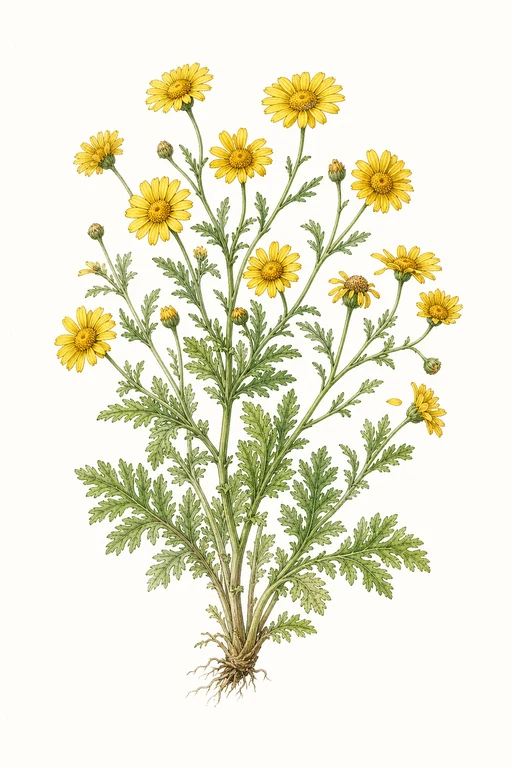
Sunlit and tender, Yellow Flowered Shungiku unfurls into a soft, aromatic green with a bright, floral lift that feels almost honeyed at first touch.
The leaves are pleasantly crisp and finely textured, with a gentle bite that shines in quick stir-ins and delicate simmered dishes, while the yellow blossoms add a vivid, garden-fresh note to salads and garnishes. Grow for a steady harvest around day 50—an elegant edible chrysanthemum that brings both flavor and color to the bed.
Light: Full SunMaturity: 50 DaysHabit: Rosette
Planting schedules and alerts are optimized for Columbus (Zone 6b).
Crop Dates
| Milestone | Date |
|---|---|
| Start Indoors | Mar 28th |
| Last Frost | Apr 25th |
| Transplant / Sow Outdoors | Apr 18th |
| Harvest Begins | Jun 7th |
| Harvest Ends | Oct 16th |
Crop Details
| Trait | Value |
|---|---|
| Days to Maturity | 50 |
| Sun Requirements | Full Sun |
| Growth Habit | Rosette |
| Support Needed | None |
| Planting Depth | Normal |
| Germination Temp (°F) | 65 |
| Min Soil Temp (°F) | 45 |
| Min Night Temp (°F) | 35 |
| Harden Off (days) | 6 |
Culinary Notes

Chef's Note
This edible chrysanthemum leans hard into aroma—its floral, almost honeyed character shows up fastest when cooked briefly, so treat it like a quick-wilt green rather than a long simmer. The blossoms are there to brighten the last second: scatter them over noodles, rice, or anything glossy with sesame or miso.

Best Uses
- quick stir-fry or hot oil sauté—keeps leaves crisp and fragrant
- short simmered side dish (wilt fast, don’t overcook)
- shaved or torn into salads for a floral crunch
- blossoms as a vivid garnish for noodle bowls and rice dishes

Flavor Profile

Kitchen Pairings
Frequently Asked Questions
What pests or diseases commonly affect Glebionis coronaria (yellow flowered shungiku), and how do I treat them?
How often should I water Glebionis coronaria during active growth?
How can I tell when yellow flowered shungiku is ready to harvest?
Sowing Tips

Transplant Conditions
Wait until soil reaches 45°F and nights stay above 35°F before moving outdoors. Harden off for 6 days first.
Expert Note

For the mildest flavor, grow shungiku in cool weather and harvest leaves often before flowering gets too mature.