
Yellow Reaper
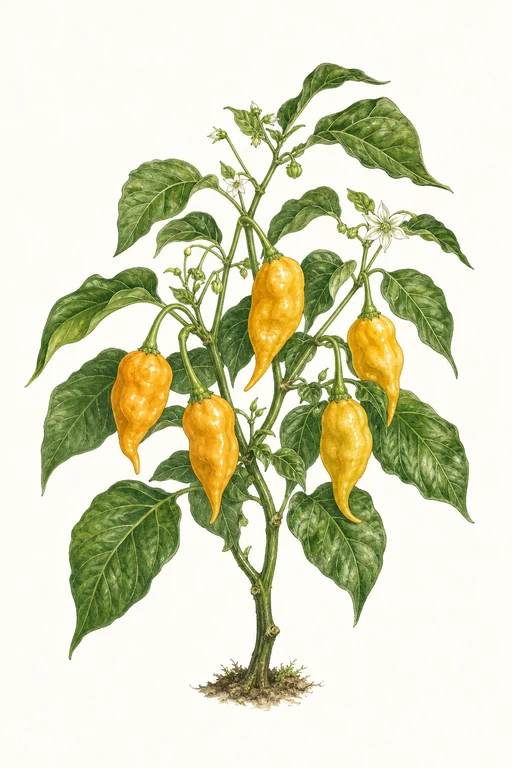
Sunlit and unapologetically bold, Yellow Reaper peppers ripen to a vivid golden glow that catches the eye before the heat ever does.
The flesh is thick-walled and crisp-snap tender, with a bright, peppery flavor that turns incendiary as the superhot intensity builds. Grow Yellow Reaper for fiery fresh use, bold sauces, and punchy pickling—each harvest delivers a radiant heat that lingers and elevates every application.
Light: Full SunMaturity: 85 DaysHabit: Bush
Location not set yet
Location not set yet
Enter your ZIP for local crop dates
Yellow Reaper Planting Dates by USDA Zone
Estimated US hardiness-zone windows for sow, transplant, and harvest. Enter a US ZIP above for exact local dates, or open a zone below.
| Zone | Start Indoors | Sow / Transplant | Harvest |
|---|---|---|---|
| Zone 1a | Protected Environment Only | ||
| Zone 1b | Protected Environment Only | ||
| Zone 2a | Mar 30th | Jul 20th | Oct 13th – Aug 29th |
| Zone 2b | Mar 20th | Jul 10th | Oct 3rd – Aug 25th |
| Zone 3a | Mar 20th | Jul 10th | Oct 3rd – Sep 1st |
| Zone 3b | Mar 24th | Jul 14th | Oct 7th – Sep 21st |
| Zone 4a | Mar 20th | Jul 10th | Oct 3rd – Sep 24th |
| Zone 4b | Mar 18th | Jul 8th | Oct 1st – Sep 27th |
| Zone 5a | Mar 13th | Jul 3rd | Sep 26th – Sep 30th |
| Zone 5b | Mar 9th | Jun 29th | Sep 22nd – Oct 5th |
| Zone 6a | Mar 6th | Jun 26th | Sep 19th – Oct 10th |
| Zone 6b | Feb 28th | Jun 20th | Sep 13th – Oct 16th |
| Zone 7a | Feb 23rd | Jun 15th | Sep 8th – Oct 20th |
| Zone 7b | Feb 13th | Jun 5th | Aug 29th – Oct 28th |
| Zone 8a | Feb 4th | May 27th | Aug 20th – Nov 5th |
| Zone 8b | Jan 26th | May 18th | Aug 11th – Nov 12th |
| Zone 9a | Jan 9th | May 1st | Jul 25th – Nov 26th |
| Zone 9b | Dec 15th | Apr 6th | Jun 30th – Dec 9th |
| Zone 10a | Continuous Production | ||
| Zone 10b | Continuous Production | ||
| Zone 11a | Continuous Production | ||
| Zone 11b | Continuous Production | ||
| Zone 12a | Continuous Production | ||
| Zone 12b | Continuous Production | ||
| Zone 13a | Continuous Production | ||
| Zone 13b | Continuous Production | ||
Crop Details
| Trait | Value |
|---|---|
| Days to Maturity | 85 |
| Sun Requirements | Full Sun |
| Growth Habit | Bush |
| Support Needed | Stake |
| Planting Depth | Normal |
| Germination Temp (°F) | 80 |
| Min Soil Temp (°F) | 60 |
| Min Night Temp (°F) | 50 |
| Harden Off (days) | 10 |
Culinary Notes

Chef's Note
Yellow Reaper’s thick walls give you a clean, crisp bite even when you chop it fine, and the heat ramps fast with a peppery, vinegar-bright finish. Use it where you want flavor to stay in the front of the mouth—pickled, reduced, or charred—so the burn and the snap both show up.

Best Uses
- fresh slicing into limey ceviche-style salsas
- thickening a pepper-forward hot sauce (reduce with vinegar until glossy)
- quick-pickling whole or chunked for crunchy heat
- charring and blitzing into smoky paste for tacos and braises

Flavor Profile

Frequently Asked Questions
What’s a common disease for Capsicum chinense (yellow reaper) and how can I prevent it?
How often should I water yellow reaper peppers during peak growth?
How do I know when yellow reaper peppers are ready to harvest?
Sowing Tips

Transplant Conditions
Wait until soil reaches 60°F and nights stay above 50°F before moving outdoors. Harden off for 10 days first.
Expert Note

Start early and keep warm—consistent heat and moisture during the first month drives strong root and flower set for superhots.