
Yellow Tomatillo
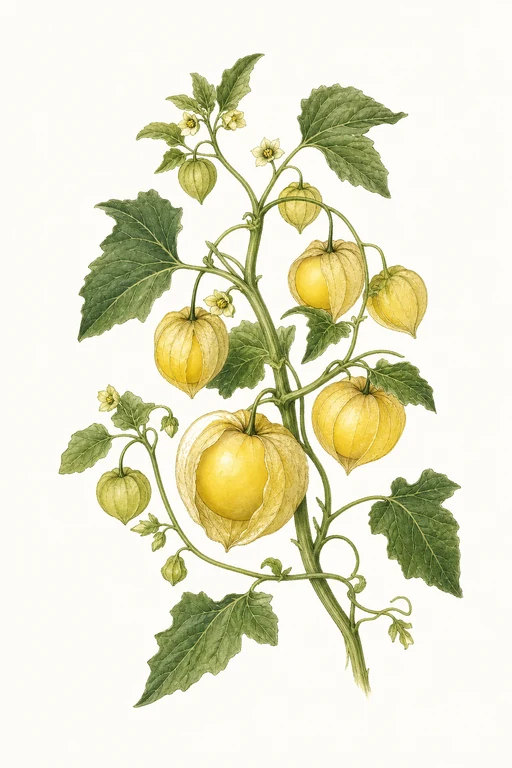
Sunlit and tangy, Yellow Tomatillo ripens into golden lanterns with a bright, citrus-leaning flavor and a pleasantly firm, juicy bite.
The fruit’s papery husks hold it like a protective locket, keeping the surface vivid and the texture crisp-tender—ideal for turning into signature sauces, roasting for caramel-edged sweetness, or pickling for a lively, bracing tang. Grow it for a bold harvest that looks as radiant as it tastes, with plants that reward attention through the long, satisfying 80-day season.
Light: Full SunMaturity: 80 DaysHabit: Indeterminate
Planting schedules and alerts are optimized for Columbus (Zone 6b).
Crop Dates
| Milestone | Date |
|---|---|
| Start Indoors | Mar 14th |
| Last Frost | Apr 25th |
| Transplant / Sow Outdoors | Jun 20th |
| Harvest Begins | Sep 8th |
| Harvest Ends | Oct 16th |
Crop Details
| Trait | Value |
|---|---|
| Days to Maturity | 80 |
| Sun Requirements | Full Sun |
| Growth Habit | Indeterminate |
| Support Needed | Stake |
| Planting Depth | Normal |
| Germination Temp (°F) | 75 |
| Min Soil Temp (°F) | 60 |
| Min Night Temp (°F) | 50 |
| Harden Off (days) | 10 |
Culinary Notes

Chef's Note
These yellow fruits bring tomatillo-style acidity with a more citrus-forward snap, plus a firmer juice that won’t turn to mush in salsa. Roast for caramel-edged tang and a glossy puree, or pickle for crunchy, bracing spoonfuls that cut through rich meats.

Best Uses
- slow-simmered tomatillo-style salsa with a brighter, less-fermented edge
- roasting until edges bronze, then pureeing into a glossy, tart sauce
- quick pickling for crunchy, bracing pops
- chopped raw into citrusy salsas where it keeps structure

Flavor Profile

Frequently Asked Questions
What pest or disease commonly affects Physalis philadelphica (yellow tomatillo), and how can I prevent and treat it?
How often should I water yellow tomatillo during the main growing phase, and what soil moisture target should I aim for?
How do I tell when yellow tomatillo (Physalis philadelphica) is ready to harvest?
Sowing Tips

Transplant Conditions
Wait until soil reaches 60°F and nights stay above 50°F before moving outdoors. Harden off for 10 days first.
Expert Note

Start seeds indoors for the sweetest salsa-ready flavor, then transplant only once night temperatures are consistently warm to keep plants from stalling.