
Yin Yang
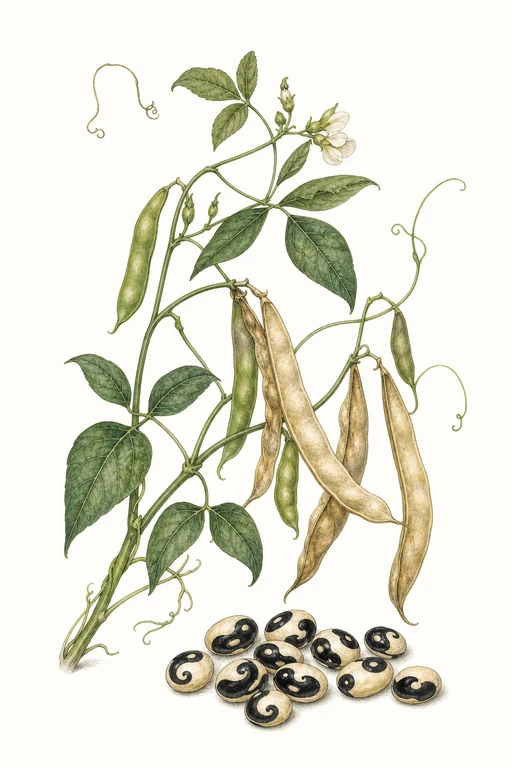
Warm, earthy aroma rises from the pods as Yin Yang dry beans mature—an elegant, high-contrast pattern that feels almost ornamental.
Once shelled, the beans display a striking yin-yang look with bold, contrasting markings, delivering a firm, hearty bite and a smooth, creamy finish when rehydrated. Grow Yin Yang for dependable, harvest-ready dry beans that shine in classic bean pot fare, from slow-simmered bowls to velvety spreads and robust salads.
Light: Full SunMaturity: 90 DaysHabit: Bush
Planting schedules and alerts are optimized for Columbus (Zone 6b).
Crop Dates
| Milestone | Date |
|---|---|
| Start Indoors | Direct Sow |
| Last Frost | Apr 25th |
| Transplant / Sow Outdoors | Apr 25th |
| Harvest Begins | Jul 24th |
| Harvest Ends | Oct 16th |
Crop Details
| Trait | Value |
|---|---|
| Days to Maturity | 90 |
| Sun Requirements | Full Sun |
| Growth Habit | Bush |
| Support Needed | None |
| Planting Depth | Normal |
| Germination Temp (°F) | 70 |
| Min Soil Temp (°F) | 60 |
| Min Night Temp (°F) | 50 |
| Harden Off (days) | Not Required |
Culinary Notes

Chef's Note
These dry beans lean into a firm, almost steak-like resistance that gives way to creaminess when properly rehydrated and simmered—exactly what you want for bowls that stay substantial. The yin-yang look is fun, but the real flex is texture: they thicken broths without going paste, and they mash into a spread that stays silky rather than gritty.

Best Uses
- slow-simmered bean pot with aromatics and stock
- velvety mash for spreads (keep it smooth, not grainy)
- hearty salads where the beans hold shape after cooking
- soups or braises where they thicken without turning gummy

Flavor Profile

Frequently Asked Questions
What pest or disease is most common on Phaseolus vulgaris (common bean) and what should I do?
How often should I water Phaseolus vulgaris during peak growth?
How can I tell when to harvest Phaseolus vulgaris “Yin Yang” beans?
Sowing Tips

Transplant Conditions
Wait until soil reaches 60°F and nights stay above 50°F before moving outdoors.
Expert Note

Sow dry beans directly after soil warms and keep moisture steady until emergence to prevent seed rot and uneven stands.