
Zatta
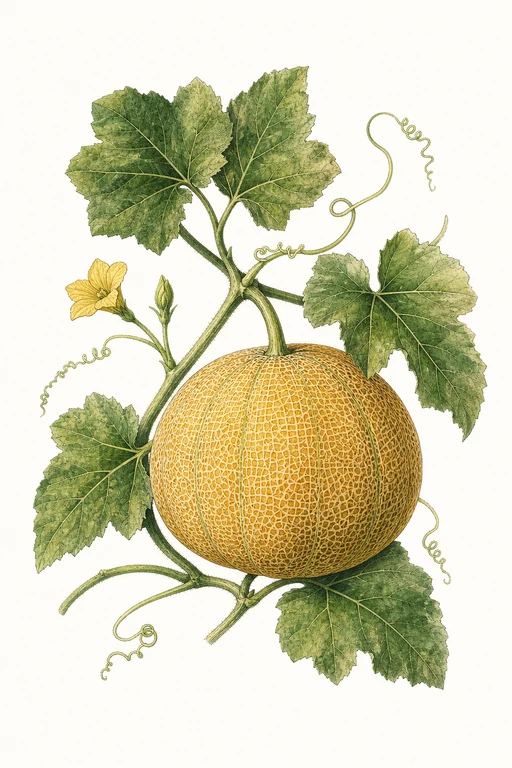
Sun-warmed Zatta cantaloupe bursts with a honeyed, musky sweetness and a lusciously tender, orange-gold flesh that feels velvety at first bite.
Its fragrant aroma and juicy, melt-in-the-mouth texture make it a standout for fresh enjoyment, while its aromatic character shines in fruit-forward preserves and cooling summer drinks. Grow Zatta for a dependable 80-day harvest and a truly radiant centerpiece from garden to table.
Light: Full SunMaturity: 80 DaysHabit: Vine
Planting schedules and alerts are optimized for Columbus (Zone 6b).
Crop Dates
| Milestone | Date |
|---|---|
| Start Indoors | Direct Sow |
| Last Frost | Apr 25th |
| Transplant / Sow Outdoors | May 9th |
| Harvest Begins | Jul 28th |
| Harvest Ends | Oct 16th |
Crop Details
| Trait | Value |
|---|---|
| Days to Maturity | 80 |
| Sun Requirements | Full Sun |
| Growth Habit | Vine |
| Support Needed | Trellis |
| Planting Depth | Normal |
| Germination Temp (°F) | 75 |
| Min Soil Temp (°F) | 65 |
| Min Night Temp (°F) | 55 |
| Harden Off (days) | 10 |
Culinary Notes

Chef's Note
Zatta leans into that cantaloupe sweet-musky perfume with flesh that goes creamy before it goes watery—great when you want the texture to melt, not dilute. Use it cold and bright (lime, salt, herbs) or preserve it gently so the aromatic top note stays loud through the sugar.

Best Uses
- cold fruit-forward salsa with lime and salt
- chilled summer drinks (muddled or blended)
- thin slices on prosciutto or soft cheese plates
- high-fragrance preserves that keep the musky top note
- lightly frozen gelato/sorbet base

Flavor Profile

Frequently Asked Questions
What pest commonly attacks Cucumis melo (zatta) and what’s the best home remedy?
How often should I water Cucumis melo during the main growing phase, and what soil moisture target should I aim for?
How do I tell when zatta (Cucumis melo) is ready to harvest?
Sowing Tips

Transplant Conditions
Wait until soil reaches 65°F and nights stay above 55°F before moving outdoors. Harden off for 10 days first.

Direct Sow Preferred
Sensitive roots — does not transplant well. If starting indoors, use biodegradable pots and disturb roots as little as possible when moving outdoors.
Expert Note

For best flavor, grow Zatta cantaloupe in full sun on well-drained soil and avoid disturbing roots—transplant only once soil is truly warm.