
Zuccherina Di Trieste
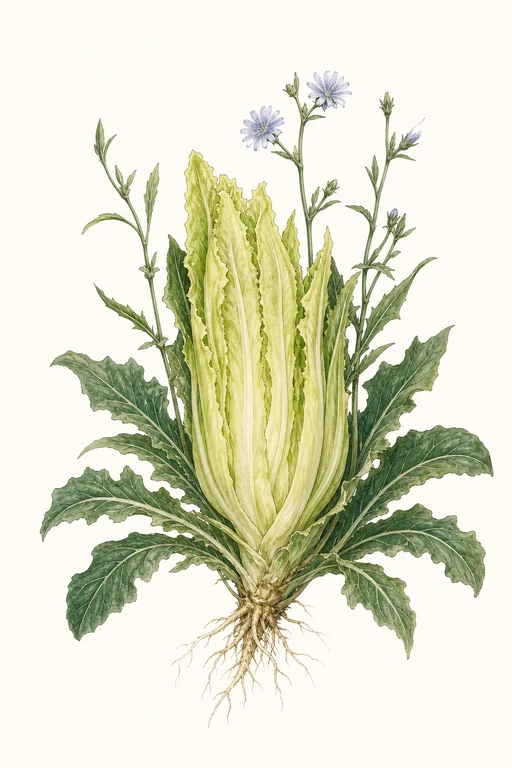
Silky and luminous, Zuccherina Di Trieste forms tender, pale-green hearts with a softly sweet, mellow bite and a delicate, leafy crunch.
At maturity in about 45 days, the rosettes are prized for their smooth texture and gentle flavor—ideal for showcasing in fresh salads, brightening with vinaigrettes, and turning into elegant braises and sautés. Grow it for a refined, garden-to-plate treat that feels both classic and quietly luxurious.
Light: Full SunMaturity: 45 DaysHabit: Rosette
Planting schedules and alerts are optimized for Columbus (Zone 6b).
Crop Dates
| Milestone | Date |
|---|---|
| Start Indoors | Direct Sow |
| Last Frost | Apr 25th |
| Transplant / Sow Outdoors | Apr 25th |
| Harvest Begins | Jun 9th |
| Harvest Ends | Oct 16th |
Crop Details
| Trait | Value |
|---|---|
| Days to Maturity | 45 |
| Sun Requirements | Full Sun |
| Growth Habit | Rosette |
| Support Needed | None |
| Planting Depth | Surface |
| Germination Temp (°F) | 60 |
| Min Soil Temp (°F) | 40 |
| Min Night Temp (°F) | 28 |
| Harden Off (days) | Not Required |
Culinary Notes

Chef's Note
Zuccherina Di Trieste eats like a refined chicory—tender hearts that stay crisp enough for salad, but mellow beautifully when warmed. Use it where you want sweet-bitter character to play cleanly against lemon, olive oil, and salty anchovy or Parmigiano.

Best Uses
- chicory heart salads with a sharp vinaigrette—dressings cling without turning watery
- quick sauté in olive oil and a splash of lemon for a glossy, slightly caramelized bite
- braised “bitter-sweet” hearts where the bitterness rounds into silk
- grilled or pan-seared leaves used as a crisp base for richer toppings

Flavor Profile

Kitchen Pairings
Frequently Asked Questions
What pest or disease most commonly affects Cichorium intybus (Zuccherina Di Trieste), and how can I prevent it?
How often should I water Zuccherina Di Trieste during its main growing phase?
How do I know when Zuccherina Di Trieste is ready to harvest?
Sowing Tips

Transplant Conditions
Wait until soil reaches 40°F and nights stay above 28°F before moving outdoors.
Expert Note

Sow where it will grow and keep soil evenly moist—early, cool growth is key for tender, sweet leaves.