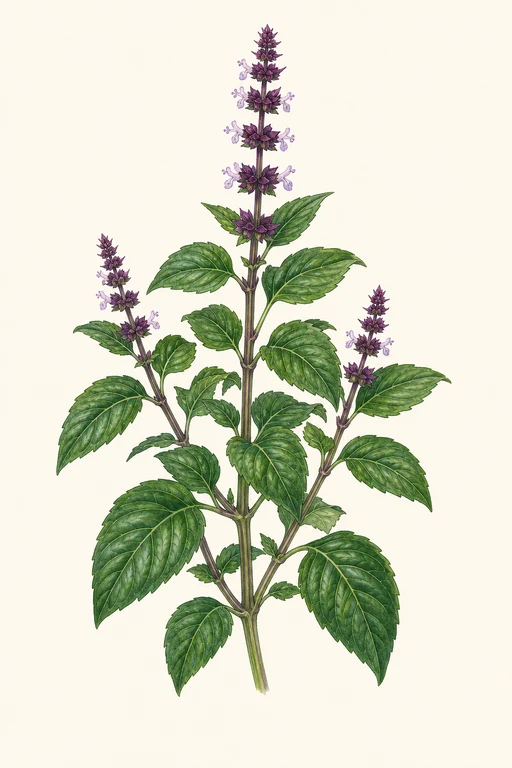
African Basil
60d to harvest
Experience the aromatic allure of African Basil, with its vibrant green leaves that exude a warm, spicy fragrance. This variety offers a unique flavor profile, combining sweet basil notes with hints of anise and clove, making it an exceptional addition to fresh salads, pestos, and herbal blends. Its lush foliage and robust growth make it a delightful choice for any home garden, inviting you to explore its culinary potential.
Crop Dates
Growing note: In frost-free Zone 10a, grow this cool-season crop during the cooler dry season (October–February).
| Milestone | Date |
|---|---|
| Start Indoors | — |
| Climate | Frost-Free Climate |
| Transplant / Sow Outdoors | Oct 1st |
| Harvest Begins | Nov 30th |
| Harvest Ends | Feb 28th |
Crop Details
| Trait | Value |
|---|---|
| Days to Maturity | 60 |
| Sun Requirements | Full Sun |
| Growth Habit | Upright |
| Support Needed | None |
| Planting Depth | Normal |
| Germination Temp (°F) | 70 |
| Min Soil Temp (°F) | 60 |
| Min Night Temp (°F) | 50 |
| Harden Off (days) | 10 |
Recommended Companions
Frequently Asked Questions
Why are my African basil leaves developing small holes and sticky residue, and what should I do?
Small holes plus sticky sap and leaf speckling are often signs of aphids or thrips chewing/sucking on African basil. Spray the undersides of leaves with a strong jet of water, then apply insecticidal soap in the evening and repeat every 5–7 days until new growth is clean. Check often for reinfestation, especially on tender tips and under leaves.
How often should I water African basil during its main growth (after it’s established)?
Water African basil when the top 1 inch of soil feels dry, which is typically about 1–2 times per week in full sun depending on your heat. Keep the soil consistently moist but never waterlogged—dry spells cause leaf drop, while soggy soil can lead to root problems and weak growth. Use a slow, thorough watering at the soil line so moisture reaches the root zone.