SproutSmart
SproutSmart Intelligent Garden Sowing

Hardy Marjoram

Marjoram

Planting Schedule

Add Hardy Marjoram to your garden to build a schedule and get reminders.
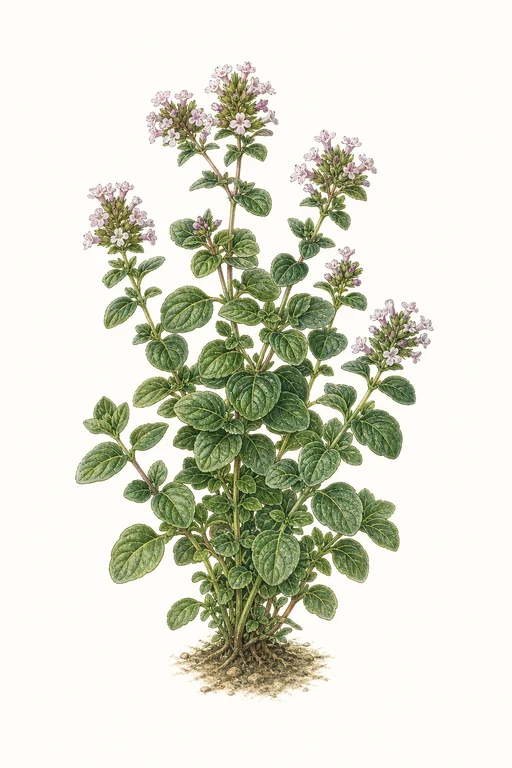
Botanical illustration of Hardy Marjoram
60d to harvest

Fragrant at first touch, Hardy Marjoram unfurls a rich, resinous aroma with sweet, piney warmth and a softly peppered finish. Its small, velvety leaves form tidy, upright clumps that hold their character through cool weather—ideal for gardeners who want dependable flavor from spring into fall. Grow it for bold seasoning in dried blends and for finishing sauces, soups, and savory roasts, or for fresh snipping to brighten everyday dishes with its unmistakable marjoram perfume.

Crop Dates

Growing note: In frost-free Zone 10a, grow this cool-season crop during the cooler dry season (October–February).
MilestoneDate
Start Indoors
ClimateFrost-Free Climate
Transplant / Sow OutdoorsOct 1st
Harvest BeginsNov 30th
Harvest EndsFeb 28th

Crop Details

TraitValue
Days to Maturity60
Sun RequirementsFull SunFull sun
Growth HabitUpright
Support NeededNone
Planting DepthSurface
Germination Temp (°F)70
Min Soil Temp (°F)50
Min Night Temp (°F)35
Harden Off (days)7

Frequently Asked Questions


What pests or diseases commonly affect Origanum × majoricum (hardy marjoram), and how can I manage them?
Hardy marjoram is prone to fungal issues like powdery mildew when nights stay humid and airflow is poor. Water at the soil line, space plants for airflow, and remove any heavily spotted leaves; if mildew keeps returning, spray with a labeled horticultural sulfur product and repeat per label directions. Watch for aphids on tender growth—spray plants with a strong stream of water and, if needed, use an insecticidal soap on the affected stems and leaf undersides.
How often should I water Hardy Marjoram during the main growing phase?
During the active growth period, water deeply only when the top 1 inch of soil feels dry, aiming for consistently moist but not soggy conditions. Origanum × majoricum prefers well-drained soil; in heavy or slow-draining beds, reduce frequency to prevent root stress and fungal problems. After plants are established, you can let the soil dry slightly more between waterings to keep flavor and health strong.
Botanical illustration of Hardy Marjoram

Fragrant at first touch, Hardy Marjoram unfurls a rich, resinous aroma with sweet, piney warmth and a softly peppered finish. Its small, velvety leaves form tidy, upright clumps that hold their character through cool weather—ideal for gardeners who want dependable flavor from spring into fall. Grow it for bold seasoning in dried blends and for finishing sauces, soups, and savory roasts, or for fresh snipping to brighten everyday dishes with its unmistakable marjoram perfume.